Results

Walmart CEO McMillon highlights adaptive retail, applied AI at CES 2024

Walmart CEO Doug McMillon highlighted the retailing giant's approach to adaptive retail and how it is applying generative AI across its company and to customers.

Speaking at CES 2024, McMillon said: "We love what technology can do, but we're building it in a way that creates better careers at the same time. It creates better customer experiences and a stronger business."

He said the company has to put humans at the center of its technology investments. Walmart executives highlighted everything from app innovations for its stores as well as Sam's Club. The company also said it is rolling out a generative AI assistant for its associates and how it is leveraging predictive analytics in the supply chain.

Here's a look at Walmart's key points from McMillon's CES 2024 talk.

  • The company outlined My Assistant, a generative AI assistant that rolled out to 50,000 campus associates late year. Now the company is launching in more countries including Canada, Mexico and Chile.
  • Walmart said it is developing generative AI search, built on Microsoft Azure OpenAI Service and retail models built by the retailer. These tools will show up in the Shop with Friends feature in the Walmart app and include virtual try-on capabilities. Walmart also highlighted InHome Replenishment, which uses a personalized replenishment algorithm for customers.
  • The company said it will offer drone delivery for up to 75% of the Dallas-Fort Worth population via a partnership with Wing and Zipline.
  • And Sam's Club will offer Scan & Go easy exits as a feature to customers in pilots across 10 Sam's Club locations. Scan & Go has been available to all Sam's Club members. Walmart is enhancing the service with AI and computer vision to enable members to bypass the exit receipt check. 

Suresh Kumar, Walmart's Global CTO, outlined how AI is used in the supply chain. He said:

"A modern supply chain requires a built-in intelligence that can do two things. Number one, it can forecast what customers want and when they want it. And number two, it can orchestrate the movement of very different products that need to be stored in very different ways.

Forecasting customer demand needs to happen very accurately, but far enough out for our suppliers.

We built an industry leading forecasting system that is smart. It's automated and it uses a patent pending machine learning model that predicts customer behavior, and it helps us accurately forecast how much of a product is needed and where. It incorporates dozens of different types of data like historical sales data, but also things like weather forecasts popularity and how an item is trending on social media. We also built artificial intelligence into how we orchestrate the optimal movement of our inventory. The main job is to have the product where our customers needed the most."

Data to Decisions Innovation & Product-led Growth Future of Work Tech Optimization Next-Generation Customer Experience Digital Safety, Privacy & Cybersecurity B2B B2C CX Customer Experience EX Employee Experience business Marketing eCommerce Supply Chain Growth Cloud Digital Transformation Disruptive Technology Enterprise IT Enterprise Acceleration Enterprise Software Next Gen Apps IoT Blockchain CRM ERP Leadership finance Social Customer Service Content Management Collaboration M&A Enterprise Service AI Analytics Automation Machine Learning Generative AI GenerativeAI ML LLMs Agentic AI Chief Information Officer Chief Customer Officer Chief Data Officer Chief Digital Officer Chief Executive Officer Chief Financial Officer Chief Growth Officer Chief Marketing Officer Chief Product Officer Chief Revenue Officer Chief Technology Officer Chief Supply Chain Officer Chief AI Officer Chief Analytics Officer Chief Information Security Officer

Medtronic aims to leverage medical device data for AI-enabled care

Medtronic has formed an AI center of excellence as the company aims to advance AI-enabled healthcare based on data from its medical devices.

Speaking at the JP Morgan Stanley 42nd Annual Healthcare conference, Medtronic CEO Geoffrey Martha outlined the company's plans in AI. Martha said the company's move to create an AI center of excellence is aimed at centralizing key data assets including millions of patient datasets, regulatory experience, analytics knowhow, and medical device expertise.

In a nutshell, many of Medtronic's devices today include algorithms and models. The Medtronic AI-enhanced portfolio includes GI Genius, which uses AI for endoscopy, Touch Surgery Enterprise, AiBLE for neurosurgery, MiniMed 780G System for diabetes management, and LINQ, an insertable cardiac monitor.

Medtronic, which is optimizing its supply chain, automating and cutting costs, is betting that AI can be a growth market for the medical device giant.

8 takeaways from Constellation Research's Healthcare Transformation Summit | AI Meets Mental Health Assessments: How Futures Recovery Healthcare, Aiberry Co-innovated | CVS Health’s transformation rides on data, AI and customer experiences (PDF) | Oracle's plan for Cerner: Cloud shift, generative code rewrite | Constellation ShortListâ„¢ Healthcare Enterprise Resource Planning | Synthetic biology: What you need to know

Martha said:

"We're harnessing the power of AI today for using clinical decision support, creating new indications and delivering personalized treatments. We’re uniquely positioned to advance AI and med tech."

Martha said the company's data sets across multiple points of care can be valuable to hospital systems. "We have the data and analytics expertise, and we're continuing to build on that. And this is across multiple disease areas. And we've been working very closely with the regulators on this. We spend a lot of time with regulators around the world, especially the FDA on how to think about AI and health care," said Martha, who added the company is planning to leverage common platforms to scale.

Martha added that's it's early, but Medtronic is already seeing the promise in training models with its data.

"This isn't about ChatGPT. I mean we have to train the models ourselves with a lot of high-quality data, but the impact is amazing here. And I think as we move forward, you're going to hear more and more about this from us," said Martha.

Data to Decisions Future of Work Innovation & Product-led Growth Next-Generation Customer Experience Tech Optimization Digital Safety, Privacy & Cybersecurity AR ML Machine Learning LLMs Agentic AI Generative AI AI Analytics Automation business Marketing SaaS PaaS IaaS Digital Transformation Disruptive Technology Enterprise IT Enterprise Acceleration Enterprise Software Next Gen Apps IoT Blockchain CRM ERP finance Healthcare Customer Service Content Management Collaboration Chief Information Officer Chief Analytics Officer Chief Data Officer Chief Executive Officer Chief Technology Officer Chief AI Officer Chief Information Security Officer Chief Product Officer

CFOs eye hybrid work, automation, digital transformation in 2024, says Deloitte

Chief Financial Officers are bullish on automation, digital transformation and hybrid work arrangements even as they have become more pessimistic in other areas, according to Deloitte's fourth quarter CFO Signals report.

The top line takeaways from the report are notable on multiple fronts. Consider:

  • CFOs rating the North American economy favorably in the fourth quarter fell to 47% from 57% in the third quarter. CFO have lowered growth expectations for revenue, dividends, earnings and hiring.
  • 35% of CFOs see US equities as overvalued.
  • 51% said 1% to 10% of their company’s growth in the next three years will come from mergers and acquisitions.
  • 87% of CFOs said they won't use digital currencies for business.

While those prognostications are notable, the way CFOs plan to operate is the most tangible part of Deloitte's CFO Signals report for the fourth quarter.

  • 80% of CFOs agree that they will embed more automation and digital technologies into operations.
  • 65% of CFOs agree that they will deploy digital technologies to automate certain jobs previously performed by humans.
  • 81% of CFOs agreed that automation will free people for higher value activities.

While this automation and transformation is starting, CFOs also intend to embrace remote work more, outsource and cut real estate. 

  • 65% of CFOs said they will offer hybrid work in 2024.
  • 41% of CFOs expect to have a smaller real estate footprint, but 38% disagreed with that statement.
  • 35% plan to increase outsourcing.
  • 66% of CFOs said they won't use more part-time or gig workers to offset a decrease in full-time positions.
  • 42% expect to hire more workers than they let go and 33% will do the opposite.

More:

Future of Work Data to Decisions Innovation & Product-led Growth New C-Suite Tech Optimization Chief Financial Officer Chief Information Officer Chief Experience Officer

NEW Apple Vision Pro | Product Analysis with R "Ray" Wang

Considering a pre-order of the new Apple Vision Pro? 🍎 Catch a live product analysis from R "Ray" Wang, founder of Constellation Research, and Larry Dignan, editor in chief of Constellation Insights...

Ray predicts how this new #technology will perform and evolve, the most likely use-cases, and the broader future of the #metaverse.

On Insights <iframe width="560" height="315" src="https://www.youtube.com/embed/n27QqKnPRZg?si=wmz05PoVlaHU6uhI" title="YouTube video player" frameborder="0" allow="accelerometer; autoplay; clipboard-write; encrypted-media; gyroscope; picture-in-picture; web-share" allowfullscreen></iframe>
Media Name: YouTube Video Thumbnails.png

SAP adds Alam to Executive Board leading product engineering

SAP said Muhammad Alam will join the company's Executive Board and succeed Thomas Saueressig for the company's product engineering. Saueressig will focus on accelerating SAP customers adoption of the cloud.

The changes will be effective April 1. The move highlights how SAP is trying to move its customers to the cloud and the S/4HANA platform. SAP's Executive Board has added a new area called Customer Services & Delivery led by Saueressig.

Alam will take over product engineering. Alam joined SAP in 2022 as president and chief product officer for the company's Intelligent Spend and Business Network, which includes teams focused on procurement, travel and expense and external workflow management. Before SAP, Alam was vice president of product and engineering for Microsoft Dynamics 365.

Constellation Research analyst Holger Mueller said:

"When software vendors are under pressure to create revenue from product innovation the "pièce de résistance" can be in product or in go to market. The SAP re-org shows that that board sees the challenge in the go to market - and moves the head of product - Thomas Saueressig  to the go to market and implementation. And then Head of Product - Mohammad Alam - will make sure one area that was suboptimal in the SAP product portfolio for more than a decade - will get strengthened. Expect S/4 HANA using Ariba, Concur and Fieldglass will be better than ever before in a few quarters. While this reorg is slated for the second quarter, the first quarter will feature CEO Christian Klein bringing back chief operating officer game and centralizing all COOs right away. This reorg is bold for SAP. SAP is changing its go to market, interaction with its clients, head of product and operations. The move on the whiteboard looks good, but the proof will have to be in the quarterly results in 2024."

Related:

Data to Decisions Digital Safety, Privacy & Cybersecurity Innovation & Product-led Growth Tech Optimization Future of Work SAP Chief Information Officer Chief Technology Officer Chief Information Security Officer Chief Data Officer

Accenture sees human-ish AI, spatial computing, body-sensing tech on horizon, but timing is everything

Technologies such as artificial intelligence, spatial computing and body-sensing innovations will become more human-like, omnipresent, and almost invisible, according to Accenture's Technology Vision 2024.

The report, penned by Accenture Chief Technology and Innovation Officer Paul Daugherty and team, argued that generative AI and other technologies will be more human. This more human-like AI will make them easier to interact with and enable people to amplify themselves.

Daugherty, a frequent DisrupTV guest, said the change brought by AI, spatial computing and body-sensing technologies will create a "seismic shift in the way people work, live and learn will accelerate a wave of unprecedented change across industries, from retail and entertainment to medicine and manufacturing."

Accenture's Paul Daugherty: Generative AI today, but watch what's next | Daugherty DisrupTV appearances: 2023, 2022, 2021, 2020

He argued that enterprises need to reinvent their businesses to account for "human by design" technologies. From the report:

"We are about to see a massive expansion of every industry. Think of it like this: in the 1700s, the industrial revolution made creating physical things easier, and in turn refaced the way our world works and how we live in it. Now, as technology becomes more human, it becomes easier to work with – and will spark an infusion of technology through every dimension of the business. We are already seeing its impact on our ability to create. Recent innovations have led to an explosion of digital art, music, and product designs. And technology that is human by design is also introducing brand-new possibilities – digital helpers like AI agents, or digital spaces where we can build and create even in ways that break the laws of physics. By building fundamentally intuitive bridges between people and the most advanced technologies of our age, productivity and value creation are poised to grow exponentially across every industry."

The report cites four primary human by design trends:

AI will reshape human relationships with knowledge. Accenture said data will be reorganized to facilitate human-like reasoning. Instead of today's search, you'll get curated responses and advice. Searching will become synthesizing and enterprises that equip their people with AI-enhanced knowledge will see competitive advantage.

My take: This trend is already in play and you're seeing it in your Google search results and bevy of copilots across applications. For enterprise knowledge, however, the game is just getting started. It remains to be seen how much data architecture work needs to be done to make this trend more enterprise friendly.

Ecosystems for AI and AI empowered agents. Accenture predicted that AI agents will work on behalf of individuals as part of a broader ecosystem. The agents will advise, assist and take actions in physical and digital worlds. This automation will be a big opportunity for enterprises over the next three years.

My take: What Daugherty and team lay out is the automation dream where industries create value chains to carry out work and execute and refine processes on the fly. For one company, the AI-powered automation effort can drive huge returns. Automation across a value chain really drives returns.

Spatial computing will fuse digital and physical worlds. Here Accenture said that spatial computing, metaverse, digital twins and AR/VR will drive new experiences and revamp how we work, live and learn.

My take: The debate about spatial computing is really one about timing more than technology. The industries that can leverage spatial computing the most--retail and media for instance--have the thinnest margins to invest. All eyes will go to Apple Vision Pro for spatial computing popularity.

Human interface technologies. Accenture said AI-powered wearables, brain-sensing neurotech and eye and movement tracking will enhance work and life. The idea is that human interface technologies will bring new interactions and understanding.

My take: The human interface technologies are popping up a lot at healthcare conferences as well as CES. In healthcare, these technologies will lead to better outcomes. Don't expect a consumer-led human interface revolution though.

Data to Decisions Future of Work Next-Generation Customer Experience Innovation & Product-led Growth Tech Optimization Digital Safety, Privacy & Cybersecurity AR AI GenerativeAI ML Machine Learning LLMs Agentic AI Analytics Automation Disruptive Technology Chief Information Officer Chief Executive Officer Chief Technology Officer Chief AI Officer Chief Data Officer Chief Analytics Officer Chief Information Security Officer Chief Product Officer

Apple Vision Pro available Feb. 2: Will Enterprises, developers rev expense accounts?


Apple Vision Pro will be available Feb. 2 starting at $3,499 with 256GB of storage and various throw-ins--the Solo Knit Band, Dual Loop Band, Light Seal, Light Seal Cushions, Apple Vision Pro Cover and polishing cloth--and the uptake for this first-generation device will be fascinating to watch.

Simply put, Apple Vision Pro has the potential to reboot the metaverse, augmented reality and virtual reality but mass market adoption is unlikely now. The thing to watch with Apple Vision Pro is developer uptake, enterprise pilots and that all-important app ecosystem. The catch here is the price tag--even for developers who could in theory either expense Apple Vision Pro or use it for a tax deduction. Preorders start Jan. 19.

According to Apple, Apple Vision Pro will be available online and all Apple Store locations in the US on Feb. 2. The aim of the launch is to bring in the era of spatial computing and provide another device for the Apple ecosystem. Apple Vision Pro will have access to more than 1 million compatible apps on the App Store.

The big question is whether any of those compatible apps will make Vision Pro a must own. Here's what I'll be watching as Apple Vision Pro either becomes a big hit or a bust.

The 3D user interface and input system controlled by a user's eyes, hands and voice in the field. This interface has only been seen in demos and is likely to rely on Siri, which is trailing the generative AI pack.

Can environments in Apple Vision Pro be leveraged for collaboration? Sure, Apple will use environments for entertainment and gaming, but the price tag will limit consumer adoption. What's the ROI for the enterprise with Apple Vision Pro? Apple already notes that Vision pro provides "an infinite canvas for productivity." Microsoft and Slack will be available.

Will spatial FaceTime and Personas, a spatial representation of an Apple Vision Pro user that allows others to see facial expressions and hand movements in real time, usher in a better remote work experience? Personas will work in Zoom, Cisco Webex and Microsoft Teams.

Does Apple Vision Pro help or hurt the broader metaverse ecosystem? If successful, Apple can make spatial computing a real thing. That could in theory give Meta's Oculus unit a lift too. Oculus has more SKUs at lower price points. Should Vision Pro ultimately flop, the whole category will wonder how to make it work if Apple can't. 

What's the tolerance for add-ons? We already know that Apple is the king of add on items. Zeiss Optical Inserts will be available as readers for $99 and prescriptions at $149.

Future of Work Next-Generation Customer Experience Innovation & Product-led Growth Sales Marketing apple Metaverse Chief Marketing Officer Chief Digital Officer Chief Technology Officer

Twilio names Shipchandler CEO as Co-Founder Lawson steps down

Twilio said Khozema Shipchandler has been appointed CEO to succeed Jeff Lawson. Shipchandler was President of Twilio.

The enterprise communications company has been under fire by activist investors Anson Funds and Legion Partners. The two firms are pushing Twilio to either sell itself or divest its data and applications unit. Twilio's core business is its API-driven communications platform, but it also runs a customer data platform via the Segment acquisition.

Twilio fleshes out CustomerAI vision with Customer Data Platform enhancements

Overall, Twilio has more than 306,000 customers and processes 1.7 trillion interactions a year.

Among the key moves:

  • Lawson will step down as CEO and member of Twilio Board.
  • Shipchandler joins the board and will be CEO.
  • Jeff Epstein, a member of the Twilio board since 2017, will be Chair of the Board.

Twilio said that its fourth quarter revenue and non-GAAP income will be above its guidance issued in November. Twilio reports earnings Feb. 14.

Shipchandler was appointed President in March 2023. He also served as Chief Operating Officer and CFO at the company. He also held multiple financial and operating roles at GE.

In a blog post, Lawson said:

"Kho knows Twilio inside and out. As CFO, he steered the company through a global pandemic with his trademark steady hand. Later as COO, he scaled Twilio’s systems and processes, creating the controls, mechanisms, and predictability we needed to mature as a company. As the leader of Twilio Communications, he’s pivoted the business toward profitable growth and built strong customer relationships over a short period."

Next-Generation Customer Experience B2C CX Chief Information Officer

2024 in preview: 11 things in enterprise technology to watch

This post first appeared in the Constellation Insight newsletter, which features bespoke content weekly and is brought to you by Hitachi Vantara.

Some years are all about questions. Other years deliver answers. For enterprise technology, 2024 is likely to be about the answers. After all, enterprise buyers in 2023 were busy pondering the questions of generative AI, use cases and whether they had the data strategy to innovate.

With that backdrop in mind, here are a few key themes to watch in the year ahead.

2024 will be the year enterprises refocus on data strategy. A frequent quote in 2023 went like this: “Without a data strategy, you don’t have an AI strategy.” Many enterprises will realize they need to hone their data strategies. We surfaced this theme in our 2023 customer story roundup. Those enterprises with a strong data game are poised to lead in AI and generative AI. "We declared five years ago that data and AI was going to be fundamental," said Intuit CEO Sasan Goodarzi, speaking at a recent investor conference. "And everything starts with data."

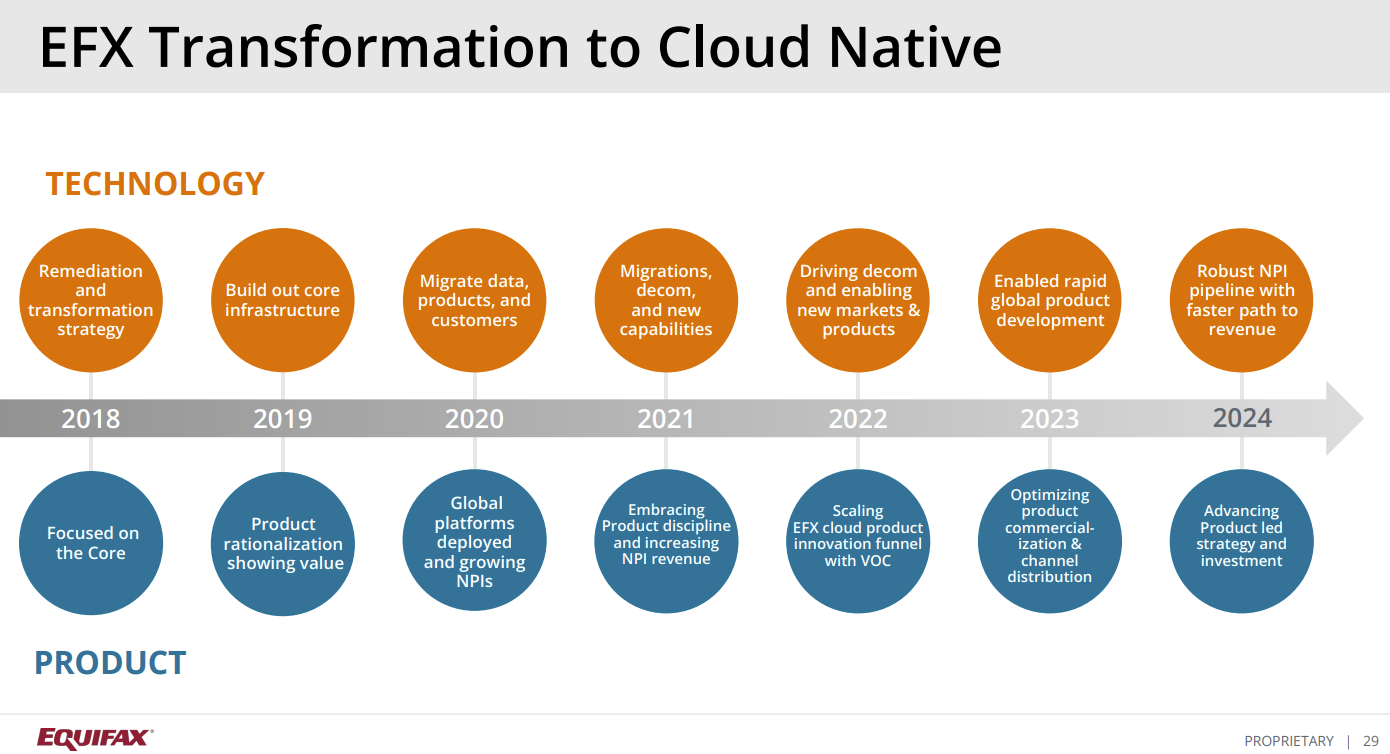
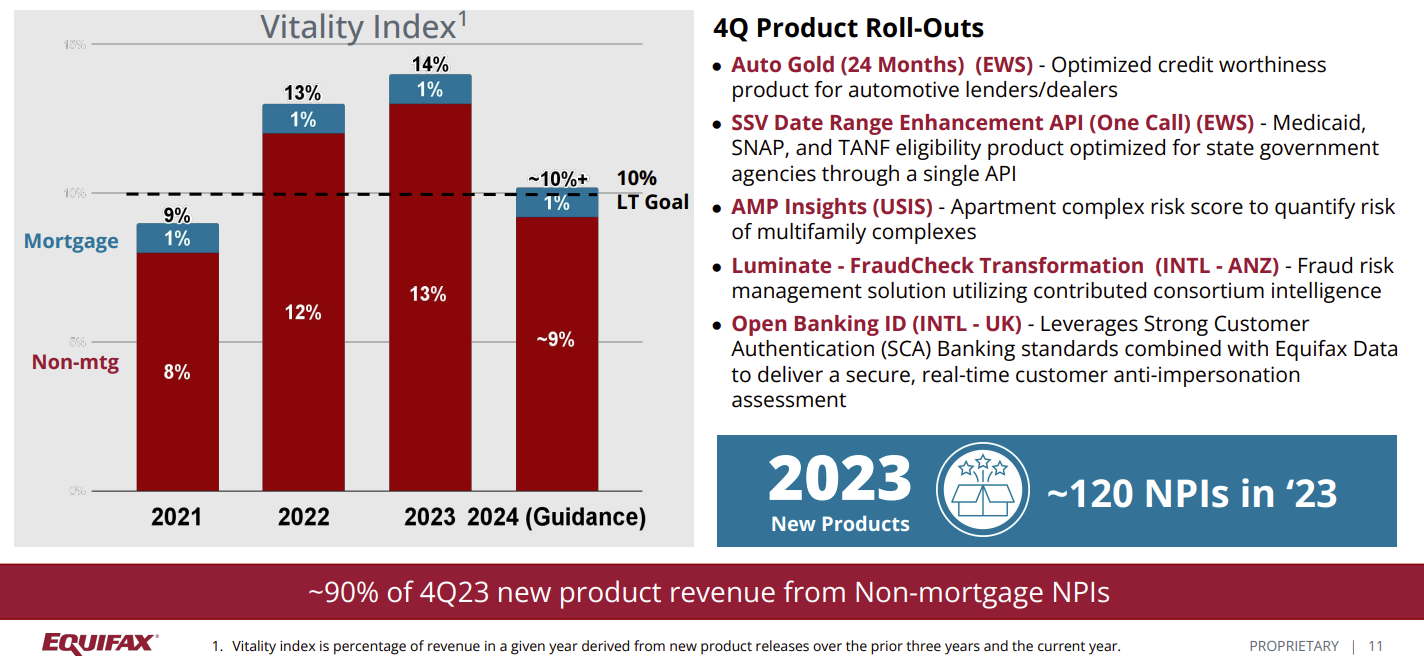
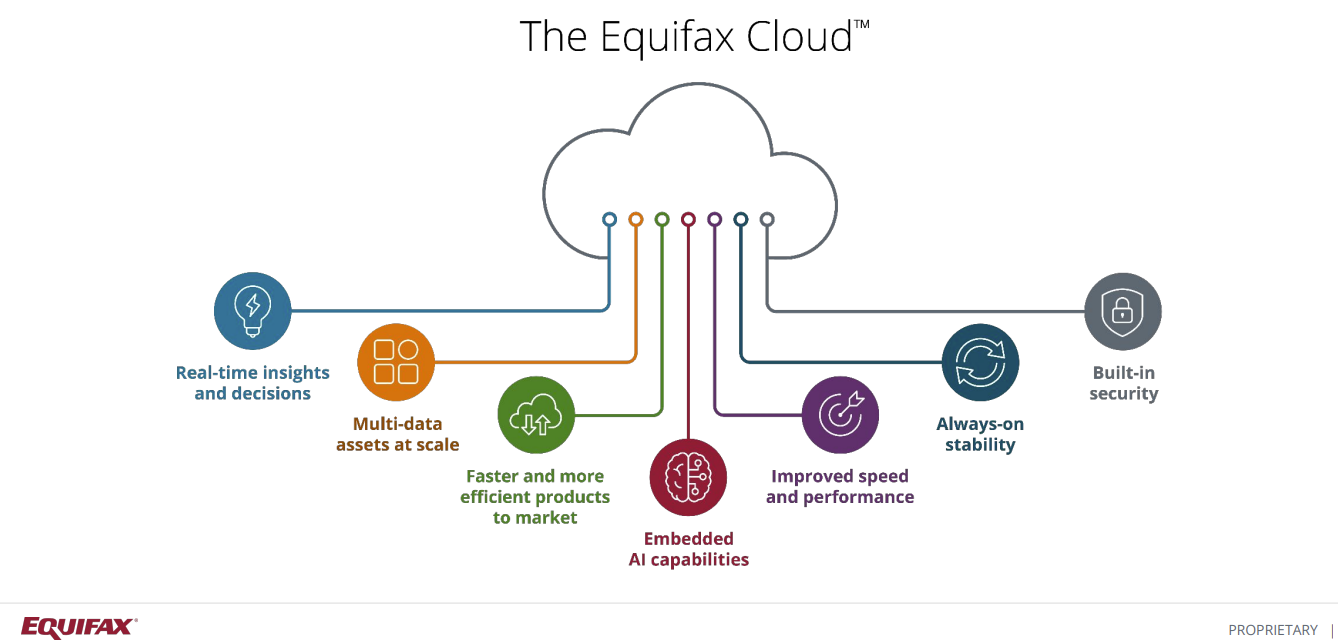
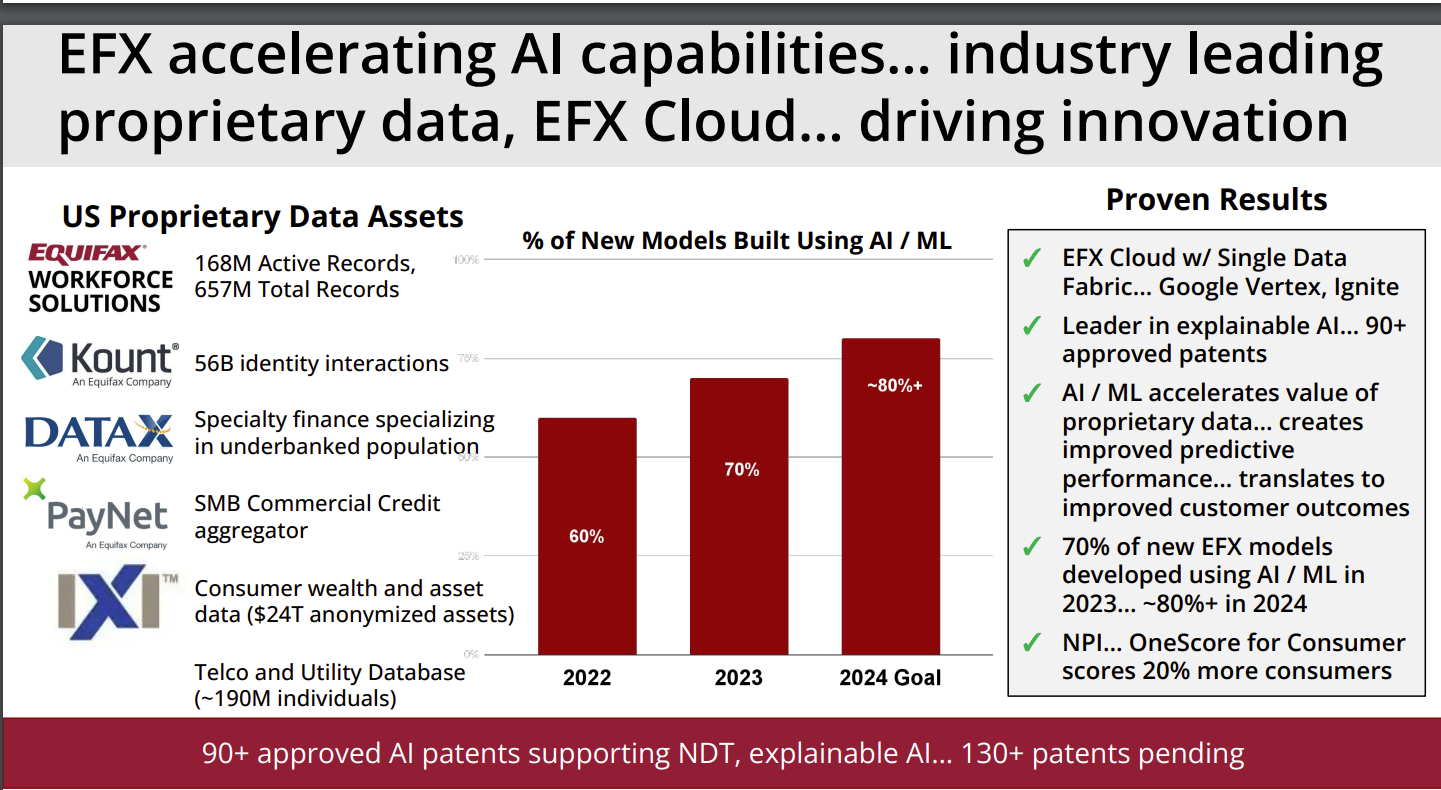
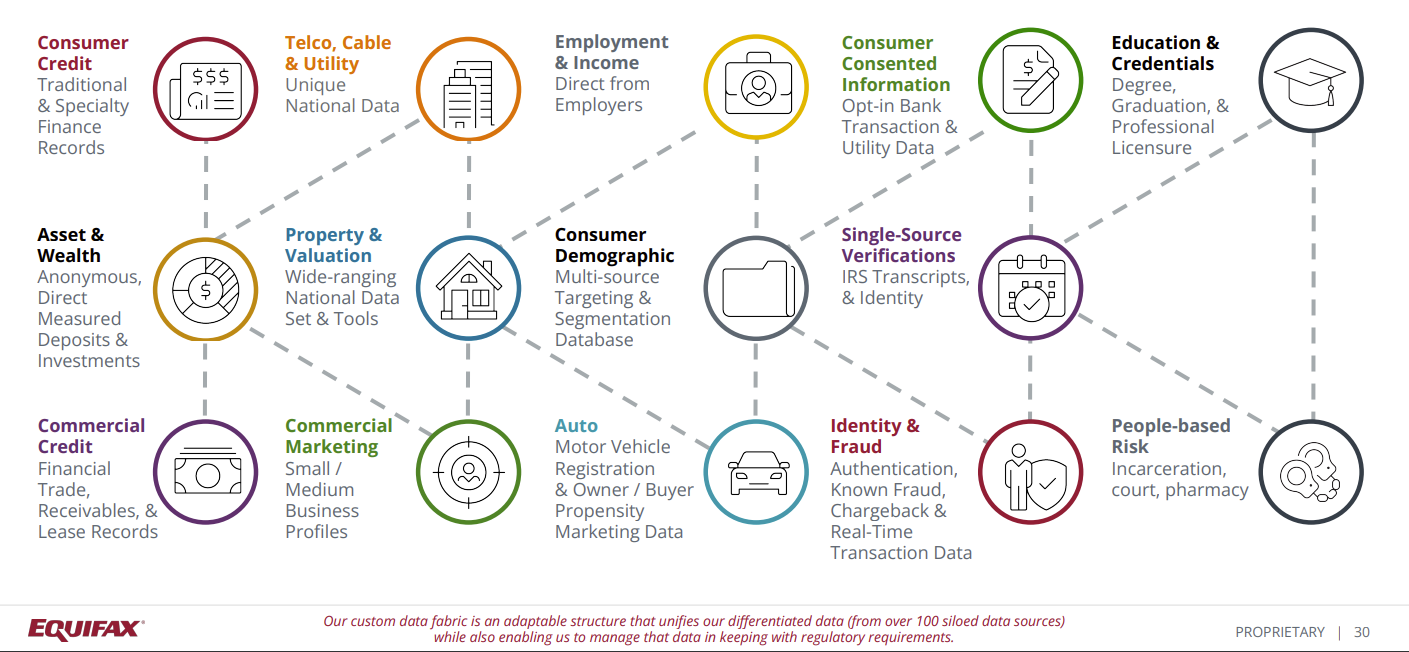
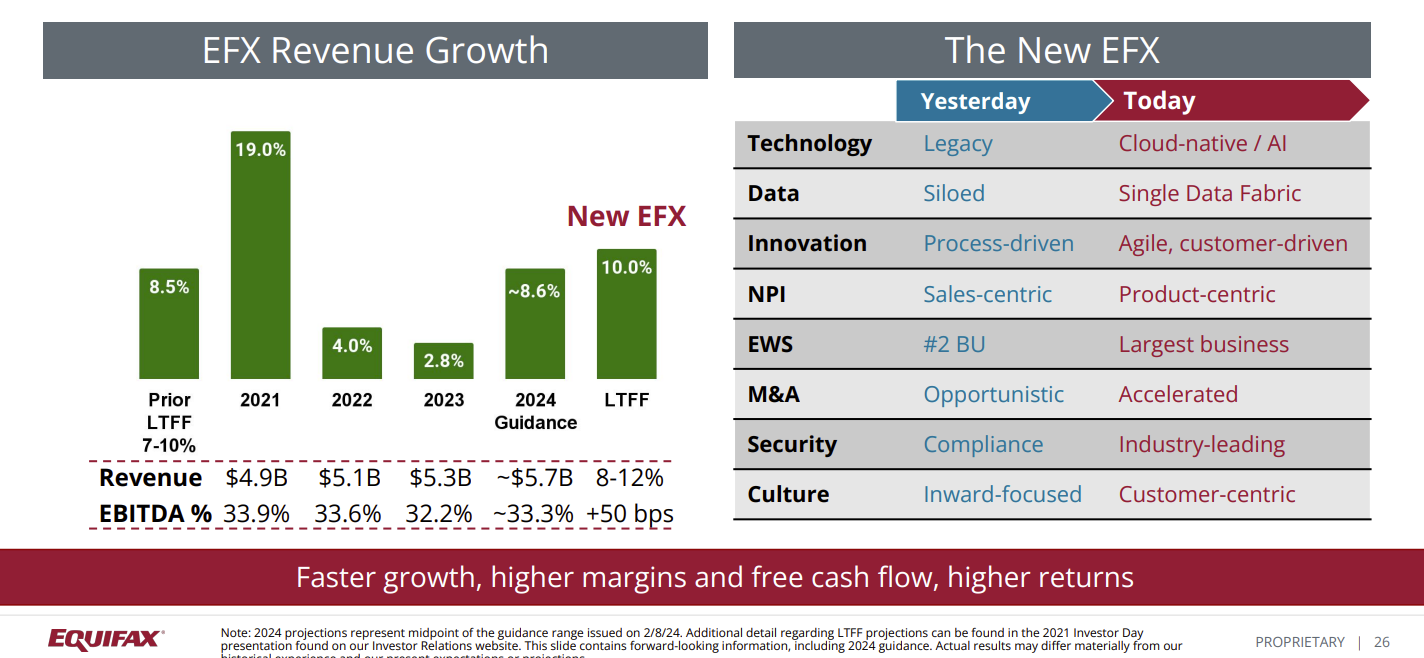
See: Intuit’s bets on data, AI, AWS pay off ahead of generative AI transformation (PDF) | BT150 Interview: Equifax's Manish Limaye on data architecture, transformation

Generative AI disillusionment appears. In 2023, generative AI disillusionment was percolating and in 2024 there will be a full-blown chorus. Here’s the reality: Many companies simply aren’t ready to scale generative AI and that’s why they need to focus on data strategy. These enterprises will become more frustrated because they fear falling behind and are getting hit by vendors charging more for generative AI features that may not deliver returns. In addition, boards of directors will want generative AI results.

According to Constellation Research's second half 2023 CxO Business Confidence Survey: "Buy-side CxOs are balancing the pressure to invest in the AI space with the need for certainty about the reliability of these new tools. In turn, enterprise tech vendors recognize and predict strong revenue potential in the generative AI space but currently are in the waiting phase of tangible selling and the client's desire to see tangible return on investment (ROI)."

Hybrid models for generative AI workloads will gain traction. Your friendly neighborhood cloud provider will certainly offer you model choices, a bevy of tools and platforms to build out generative AI apps because they want your workloads. But with edge computing devices, on-premises use cases and even the ability to leverage PCs and smartphones, generative AI workloads are likely to go local. I’ll be looking for hybrid approaches to AI workloads throughout 2024.

Transformation projects see more scrutiny over returns. Constellation Research CEO Ray Wang argued in a research note that transformation projects need new techniques to measure returns. Enterprises need to consider the likelihood of success in transformation efforts, qualitative benefits and use a wider view than cost takeout projects. Factors such as implementation risk, ease of maintenance, flexibility and durability need to be considered. Transformation leaders have an average tenure of 2.8 years, but the projects live on. Ingram Micro Chief Digital Officer Sanjib Sahoo argued in an interview that enterprises need to think about technologies that will matter three to five years from now.

Also see: Constellation Research's Connected Enterprise 2023: What we learned

Customers push back on enterprise technology price increases. Inflation has receded somewhat, but revenue and earnings growth has stalled. Yet many enterprise software vendors are raising prices in the name of boosting productivity. Some vendors are even talking about value-based contracts. It's highly doubtful that enterprise tech buyers are going to take their hard-earned earnings gains and hand them over to software providers. The vendors that play the long game with customers will benefit.

The economy will be volatile. Many of the factors that inspired people to predict a 2023 recession are still in place, but there’s widespread optimism that the Federal Reserve will engineer a soft landing. Enterprise technology budgets will be dictated by the economic outlook exiting the first quarter. Another wild card will be the presidential election. CXO optimism is likely to fluctuate along with the S&P 500 index. For what it’s worth (not much), here’s a look at what equity strategists are predicting for the S&P 500.

Tech M&A returns. There are a few green shoots of mergers and acquisitions in 2023 and smaller deals picked up headed into 2024. Merger Mondays here we come. While M&A will return, there will be a price band. Deals will have to be big enough to matter, but not so large that they attract regulatory scrutiny.

IPOs will come back in 2024 and likely ramp in 2025. The two-year IPO drought is about to end, argued Ray Wang in a blog post. The argument is that a solid economy and stock market returns will lead to IPO exits.

Enterprises embrace hybrid and remote work and start unloading commercial real estate. The trend to shed office space started in 2023 even as companies will tell employees to get their butts back in the office. Google and Facebook suddenly don't want to own half of New York City. What changed? Expiring leases that aren't being renewed. Another thing that changed: CFOs will veto the corporate culture crowd in the name of earnings.

Apple loses its Wall Street darling status. Everyone owns Apple whether it’s via a mutual fund, index or direct holding. As a result, there’s a large part of the population rooting for Apple growth. The issue is that it’s almost impossible to move Apple’s topline growth. For fiscal 2023 ending Sept. 30, Apple’s revenue was $383 billion, down from $394 billion the year before. Meanwhile, Apple is trailing in generative AI, hasn’t found the next iPhone, and is betting on an expensive Reality Pro AR/VR headset to save the metaverse. Reality Pro won’t be a total flop due to Apple’s developer base as well as hooks into its ecosystem.

PC market bottoms and then bounces due to higher-priced systems. In 2020, everyone bought a PC. Now those PCs are due for a refresh. In addition, workstations and PCs will get upgraded for generative AI features and workloads. The wave of “AI PCs” even features a Microsoft Copilot button on keyboards. This PC rebound will help Intel, AMD and Nvidia, but it’s unclear whether commercial or consumer demand leads the charge. I'm going to run my PC into the ground as I await a quantum desktop (just kidding...sort of). Intel's AI everywhere strategy rides on AI PCs, edge, Xeon CPUs for model training, Gaudi3 in 2024

Data to Decisions Tech Optimization New C-Suite Innovation & Product-led Growth Future of Work Sales Marketing Next-Generation Customer Experience Digital Safety, Privacy & Cybersecurity AI ML Machine Learning LLMs Agentic AI Generative AI Analytics Automation B2B B2C CX EX Employee Experience HR HCM business Marketing Metaverse developer SaaS PaaS IaaS Supply Chain Quantum Computing Growth Cloud Digital Transformation Disruptive Technology eCommerce Enterprise IT Enterprise Acceleration Enterprise Software Next Gen Apps IoT Blockchain CRM ERP Leadership finance Social Healthcare VR CCaaS UCaaS Customer Service Content Management Collaboration M&A Enterprise Service Customer Experience GenerativeAI Chief Information Officer Chief Executive Officer Chief Data Officer Chief Digital Officer Chief Marketing Officer Chief Customer Officer Chief People Officer Chief Human Resources Officer Chief Technology Officer Chief Information Security Officer Chief AI Officer Chief Analytics Officer Chief Product Officer

5 takeaways for retail, marketers, CX from Adobe’s holiday 2023 data

Marketers and customer experience leaders need to think about payment flexibility, mobile and balancing paid search with direct relationships, according to Adobe Analytics data on the holiday shopping season.

The headline number is that consumers spent $222.1 billion from Nov. 1 to Dec. 31, up 4.9% from a year ago. For marketers and executives in charge of customer experience (CX) there are a few other takeaways to ponder. Here's a look.

Pricing strategies and payment options are part of the experience. Adobe said that shoppers found discounts that peaked at 31% off listed price. In addition, Buy Now, Pay Later (BNPL) usage hit $16.6 billion, up 14% from a year ago.

Experiences must be mobile. Mobile shipping overtook desktop this holiday season and represented 51.1% of online sales, up from 47% in 2022.

Curbside pickup was used for 18.4% of online orders this holiday season, down from 21% in 2022, and represented one out of every five online orders. I'd argue there's an economic hook for curbside pickup usage too. I spend less when buying online and picking up.

Social isn't closing sales. Revenue directly attributed to social media during the holiday season was less than 5%.

Paid search dominates retail marketing. According to Adobe, 29.4% of online sales were attributed to paid search followed by direct web visits at 19.3%, affiliates at 16.6%, organic search 15.9% and email at 15.3%. The biggest takeaway is that landing customers requires a portfolio approach when it comes to marketing. 

Next-Generation Customer Experience Sales Marketing New C-Suite Matrix Commerce Revenue & Growth Effectiveness Innovation & Product-led Growth Tech Optimization Data to Decisions Marketing B2B B2C CX Customer Experience EX Employee Experience AI ML Generative AI Analytics Automation Cloud Digital Transformation Disruptive Technology Growth eCommerce Enterprise Software Next Gen Apps Social Customer Service Content Management Collaboration business Supply Chain Enterprise IT Enterprise Acceleration IoT Blockchain CRM ERP Leadership finance M&A Enterprise Service Machine Learning Chief Marketing Officer Chief Customer Officer Chief Data Officer Chief Digital Officer Chief Executive Officer Chief Financial Officer Chief Growth Officer Chief Information Officer Chief Product Officer Chief Revenue Officer Chief Technology Officer Chief Supply Chain Officer