Results

HireVue Digital Disruption 2016 - Introducing Coaching

HireVue Digital Disruption 2016 - Introducing Coaching

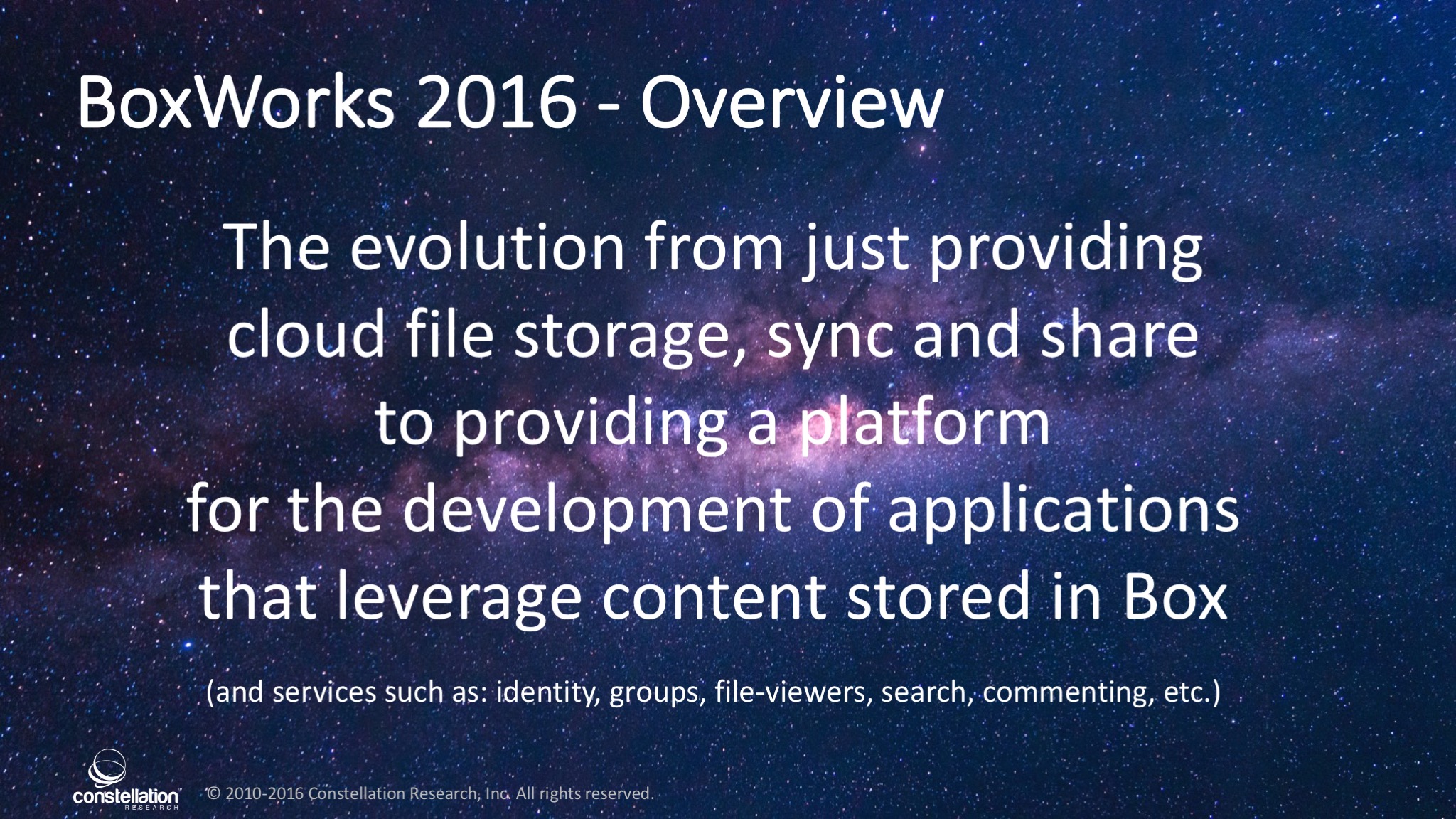
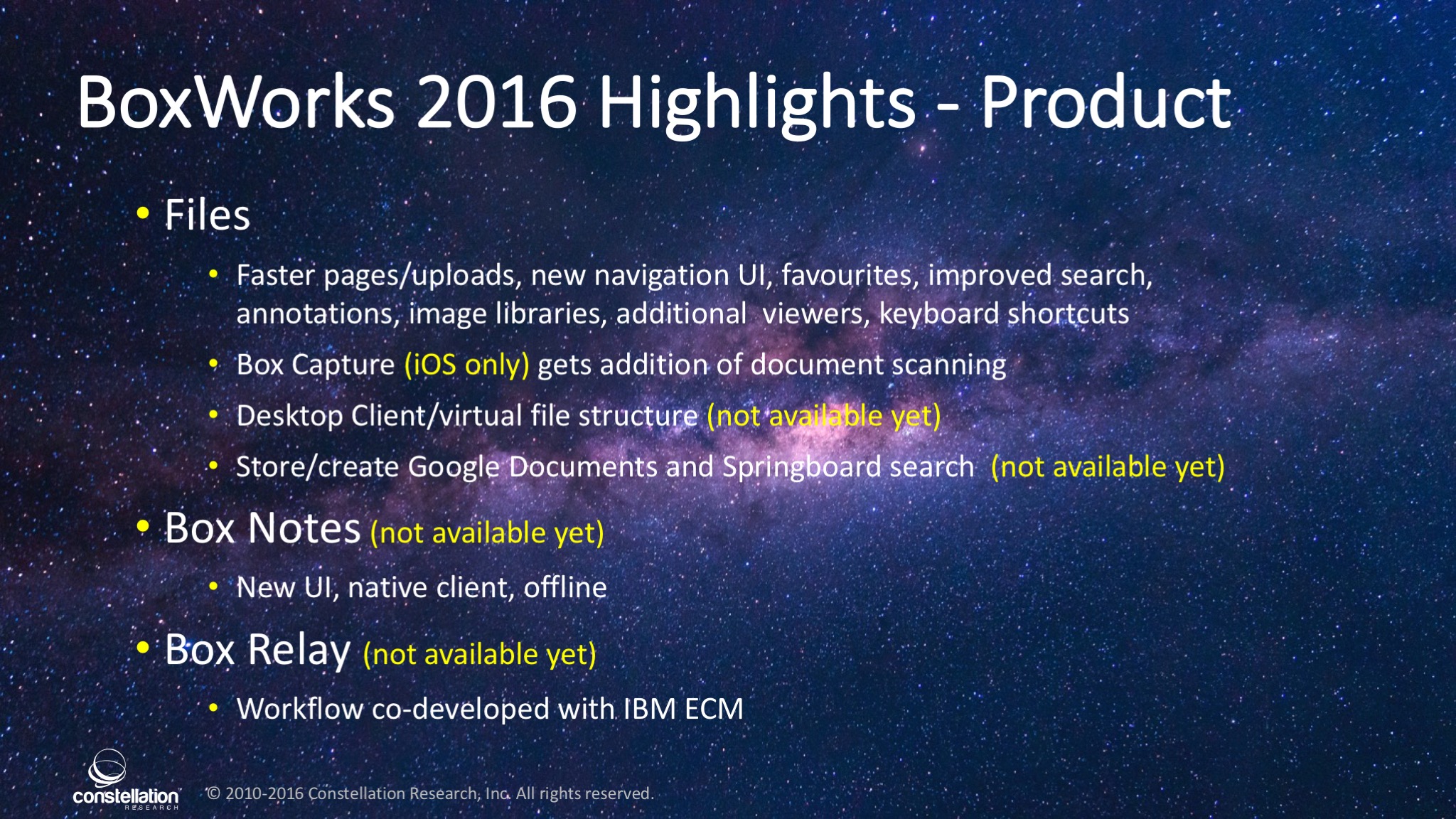
We had the opportunity to attend HireVue’s yearly user conference, Digital Disruption in Deer Valley, held from June 13th till 15th at the beautiful Stein Ericson lodge. The conference was well attended with over 600 participants, more exhibitors, and more sessions – a clear sign that both HireVue and ecosystem are doing well. 
So take a look at my musings on the event here:
 

No time to watch – here is the 1-2 slide condensation:


Want to read on? 
 
Here you go: Always tough to pick the takeaways – but here are my Top 3:


Good Housekeeping – It is always important for customers to see – improved user interface has come to the product. Moreover automated actions will be powerful tools to make HireVue users more productive. In the interview process itself, HireVue has added screen share capabilities. Also multi section interviews, with the help of pictures and charts, can enrich the interview experience.

Digital Assessments – HireVue has been on the vanguard of brining predictive analytics to the hiring process, the next step announced at Digital Disruption was to combine the Analytics / Machine Learning side with the traditional I/O Psychology side. Both Chief Data Scientist and Chief I/O Psychologist officers were on stage, showing what the combination of the two discipline can yield when applied to Recruiting: E.g. a large hotel chain was able to cut down the hiring time for large teams from 40 to 8 days. Impressive results that show there is potential of bringing the two together, but also concerns – see below.

HireVue is more than Recruiting, moves to Coaching – When you have powerful video interview processing capabilities, you can bring them also to other processes, e.g. sales training / coaching. At the end of sales training, enterprises want to see what has been learnt and sales people want to practice. A video interview capability is handy here to show how well training has been understood and even more importantly to show if the newly trained capabilities can be demonstrated. Being able to process the learning progress of sales people in a similar way like processing candidate interviews is where the opportunity is for HireVue. And a number of large organizations have taken notice and are already using HireVue for Sales Training Effectiveness and Coaching.

MyPOV

Another good event for HireVue and its customers. Customers see a functional foot print expansion, more value from combining I/O psychology with data science and the mostly HR based buying center can now start a conversation with sales in regards of training and coaching. All good developments for HireVue customers.

On the concern side the vendor needs to be careful not to ‘just’ put I/O best practices on a new ‘engine’ – but re-think and likely create the new I/O best practices and processes that 21st century technology enables.

But overall a very good event, HireVue has established an impressive partner ecosystem, customers are excited on the existing and upcoming capabilities. With Sales Training / Coaching HireVue is in the process of getting a ‘2nd leg’ as a software provider, never a trivial process, but encouraging progress. Stay tuned.


Want to learn more? Checkout the Storify collection below. 


More on HireVue / Recruiting:

More on HireVue
  • News Analysis - HireVue Secures $45 Million in Funding to Fuel Team Acceleration Software - read here
  • News Analysis - HireVue announces Insights - a key step to bring (true) analytics to enterprise software - read here.
  • First Take - 3 Takeaways from HireVue Digital Disruption Conference - Day 1 Keynote - read here

More on Recruiting
  • Musings - How Technology Innovation fuels Recruiting and disrupts the Laggards - read here
  • Musings - What is the future of recruiting? Read here
  • Why all the attention to recruiting? Read here.

Find more coverage on the Constellation Research website here and checkout my magazine on Flipboard and my YouTube channel here.
 
Future of Work Data to Decisions Innovation & Product-led Growth New C-Suite Sales Marketing Next-Generation Customer Experience Digital Safety, Privacy & Cybersecurity AI Analytics Automation CX EX Employee Experience HCM Machine Learning ML SaaS PaaS Cloud Digital Transformation Enterprise Software Enterprise IT Leadership HR Chief People Officer Chief Customer Officer Chief Human Resources Officer

#DisrupTV on the Road at Sales Machine, Interview with Gary Vaynerchuk 6.16.16

#DisrupTV on the Road at Sales Machine, Interview with Gary Vaynerchuk 6.16.16

DisrupTV went on the road to Sales Machine this week. We met up with Gary Vaynerchuk, a New York Times and Wall Street Journal Best-Selling author, self-taught wine expert, angel investor, and serial entrepreneur.

DisrupTV is a weekly Web series with hosts R “Ray” Wang and Vala Afshar. The show airs live at 11:00 a.m. PT/ 2:00 p.m. ET every Friday. Brought to you by Constellation Executive Network: constellationr.com/CEN.

On <iframe src="https://player.vimeo.com/video/171436452?badge=0&autopause=0&player_id=0" width="1280" height="720" frameborder="0" title="#DisrupTV on the Road at Sales Machine, Interview with Gary Vaynerchuk 6.16.16" webkitallowfullscreen mozallowfullscreen allowfullscreen></iframe>

Event Report: SugarCRM SugarCon 2016 - Beyond CRM to Transforming Relationships

Event Report: SugarCRM SugarCon 2016 - Beyond CRM to Transforming Relationships

I had the pleasure of attending my first SugarCon on behalf of Constellation Research in San Francisco June 14-15.  SugarCon is SugarCRM’s annual Customer and Developers conference and according to SugarCRM, this year’s event attracted over 1200 registrations with attendees from over 20 countries. 
 
The top product announcements at the event:
 
Top 3 Takeaways Slide:
 
My Summary:
  • Growth in both global and enterprise customers - Sugar’s growth in the enterprise market these past few years has been impressive. The addition of several marquee brand customers in diverse industries and geos demonstrates product, user and global scalability.  Example with customer Sands China leveraging Sugar to manage loyalty programs to boost room occupancy.
  • Product innovation to power productivity - New product announcements included a “Customer Journey Plugin”, a first I’ve seen built natively in CRM. The demo showed an easy to utilize UI with minimal clicks to add contacts into a pre-configured journey.  This feature has much potential for Marketing/Sales collaboration, and I’ll be keeping my eye on this one to look at customer use cases on it’s effectiveness and to see how this intersects with sales stages. Sugar’s also on the AI and machine-learning track now with the announcement of “Sugar Intelligent Services”.  An AI assistant, Candace, promises to help sales cut data entry time and suggest next steps to take. I’ll also look into customer use cases to review.
  • Company focused on CRM and not multiple Cloud extensions - Sugar’s singular focus on CRM has allowed them to innovate the core solution faster without the distraction of extending into adjacent markets such as marketing, e-commerce, etc.  This is positive news for Sugar customers on a best of breed tech stack.
 
For SugarCRM Customers and Prospects:
From the customer sessions at SugarCon, I got a great sense of how SugarCRM’s customization capabilities allow you to make CRM work the way you work.  Customizable dashlets allow companies to customize by industry, role, user, etc. Case studies with Sands China and Unifin showed 2 different usage scenarios in regulated industries with customizations for loyalty programs (Sands) and loan management (Unifin). The product flexibility and extensibility is there, but be mindful of implementation and integration services costs. The more advanced workflow capabilities are on version 7.6 and up, so plan your upgrade path to take advantage of the new features. Conversations with Sugar’s executive team have reinforced their commitment to focusing on CRM and not other adjacent markets, which will enable them to continue innovating the core solution. If you’re a SugarCRM prospect, solid customer sat and new product innovation make them a strong contender to evaluate.
 
See my tweets and product screenshots from SugarCon on Storify:
 
 
Marketing Transformation Next-Generation Customer Experience Chief Customer Officer Chief Financial Officer Chief Marketing Officer

Teradata Disrupts Self With Cloud Push

Teradata Disrupts Self With Cloud Push

Teradata is responding to change with a new architecture, more apps and IP, and, most importantly, a more urgent move to the cloud. Here’s a look at the priorities.

At the June 13-15 Teradata Influencers Summit in San Diego, executives vowed that the company is moving into the cloud more aggressively and embracing a “post-relational” era in which conventional databases must co-exist with schema-on-read platforms.

Such pronouncements would have been unthinkable just a few years ago, but Teradata, like many vendors, is adapting to a changed technology landscape. After a series of disappointing quarters, Teradata’s board ousted CEO Michael Koehler in March and tapped board member Victor Lund to replace him. Introduced at the Summit, Lund was frank about Teradata’s past and its future.

“We got into Hadoop and open source late and we got insular in our focus,” Lund admitted. “We know that our customers want to buy and consume technologies in new ways, so we have to deliver on that.”

Teradata executives went on to detail the strategy and roadmap ahead. I see highlights in three areas:

  • A new IntelliFlex data fabric architecture and MAPS database feature will separate storage and compute decisions for more flexible deployment, configuration, scaling and purchasing.
  • New apps and “business solutions” are expected to drive more software and services revenue.
  • A more aggressive move into the cloud is expected to accelerate the evolution toward a balance of on-premises infrastructure and cloud-based services sales.
@Teradata, #TD3PI

Teradata previously had at least four separate platforms to handle different workloads, but a new
IntelliFlex architecture will eventually narrow that to one platform while giving customers flexibility
to support diverse workloads simultaneously.

IntelliFlex and MAPS: Built For Change

On-premises systems sales (with related services) still account for the lion’s share of Teradata’s business, and the company isn’t taking it for granted. Where on-prem infrastructure is concerned, customers are looking for many of the same attributes they’re seeking in the cloud: flexibility, easy scalability, and the ability to add resources as needed. Teradata’s response is IntelliFlex, a new data-fabric architecture announced in April and expected to be generally available in the third quarter.

Where Teradata currently has four dedicated systems, including its Enterprise Data Warehouse and Warehouse and Mart appliances, IntelliFlex will eventually replace all these products with just one platform. A MAPS feature of the Teradata database will enable customers to configure (and endlessly reconfigure) IntelliFlex storage and compute capacity to handle multiple workloads, ranging from archival retrieval to the ultimate in in-memory query performance.

IntelliFlex separates storage and compute capacity decisions so customers can scale independently and in smaller increments. Customers will be able to add different types of storage and compute nodes, including managed-cloud nodes and storage capacity, as required. Separate MAPS enable customers to support multiple workloads simultaneously, so customers can mix, match and reconfigure system utilization as required.

MyPOV on IntelliFlex and Maps: Teradata isn’t the first to decouple storage and compute (Snowflake, for one, has taken that step), but it’s a huge step for a company with a big installed base and a hybrid cloud strategy. IntelliFlex and MAPS will obviously also be available through Teradata’s managed, private-cloud services, and it will support combined on-premises and managed-cloud deployments. IntelliFlex will not be part of the public cloud offerings, where Teradata runs on AWS and (by early next year) Microsoft Azure hardware. But these public cloud options have rapid, elastic scaling on their side.

Teradata Cloud services will surely cannibalize on-premises system sales, but Teradata has no choice but give customers flexible options. IntelliFlex looks like a reinvention of the infrastructure that will benefit both Teradata and its customers by streamlining the product lineup while giving customers more flexibility and choice. Whether it will counteract and compensate for declining hardware sales is another question, but the company is clearly doing something far more radical than just bringing out the next box and expecting customers to go for business-as-usual floor-sweep upgrade.

Teradata Apps & Services Grow

More than half of Teradata’s revenue is tied to services, and that extends well beyond system deployment. Teradata has more than 5,000 consultants, including more than 250 in its Think Big Analytics unit. A key takeaway from the Summit is that revenue tied to content — intellectual property (IP) in the form of industry specific analytic frameworks, solutions and applications – is destined to grow.

At the Summit, Teradata went over the entire consulting portfolio, including Innovation Analytics (think data science), Proven Analytics (think vertical industries), and Analytic Optimization (think automated modeling, scoring and model optimization). In most cases the consulting starts with methodologies and best-practice frameworks, but there’s also IP, such as prebuilt analytic packages for customer journey analysis, product recommendation, customer satisfaction tracking, email compliance or insider threat detection.

Teradata champions Multi Genre Advanced Analytics: the idea being that no one analytic method can address all needs. It’s one reason the consulting group works with a who’s who list of analytic partners and why the Teradata Unified Data Architecture (UDA) integrates with myriad sources and technologies (see test results below). Multi-genre is also the core appeal of Teradata Aster, which supports graph, text, path, statistical, machine learning and SQL analysis all through SQL and SQL-like expressions. Here, too, IP is growing. The Aster AppCenter introduced last year now has more than 40 prebuilt applications. Combining platforms and techniques can obviously get complicated, so all the better if the steps are knitted together in an analytical application.

MyPOV on Teradata Apps & Services: Deployment agility is the name of the game, so I believe customers will welcome the growing portfolio of apps, use-case templates, analytic packages and so on. I was also glad to see multi-genre talk and initiatives outside of the context of Aster, which was long a tough sell for Teradata when it was an appliance-only option. Now that Aster is available as a cloud service and, since March, as a software-only solution running on Hadoop, adoption should grow. But many customers will have their own ideas about how to pursue multi-genre, with Spark grabbing a lot of attention over the last two years.

At this year’s Summit, execs seemed less inclined than in years past to insist that Teradata has all the answers. They’re showing more solid lines, dotted lines and arrows to technologies that are not in the Teradata portfolio, and that’s a good thing.

Teradata’s Cloud Push

Teradata Cloud has been in the works for years, but the message at the Summit was that company is going to move more aggressively, particularly on public cloud services. Thus, the Teradata Database on AWS service, which debuted earlier this year, will graduate from single-node to multi-node support in Q3. What’s more, a similar service on Microsoft Azure will follow by early next year. It’s not yet clear how scalable these services will be at the outset, but Teradata execs made it clear they ultimately expect to support instances with hundreds and, eventually, thousands of nodes.

Underscoring Teradata’s differentiation in the cloud, Oliver Ratzesberger, president of Teradata Labs, ran a live test during the Summit simultaneously running the same TPC-based query workload on two-node Teradata instances on Azure and AWS and on two-node and eight-node instances of Amazon Redshift on AWS. The number of queries completed in this 39-minute test (shown below) demonstrated that costs per query were much lower for Teradata even though its cost per hour of service was 40% to 80% higher than the costs for Redshift.

In a Teradata test, the same queries were run on two-node instances of Teradata on AWS and Azure and
on two-node and eight-node instances of Redshift on AWS. After 39 minutes, Teradata had completed
tens of thousands of queries while Redshift configurations completed 53 queries and 310 queries.

I’ve seen this throughput-versus-cost comparison applied first hand by a customer comparing Amazon Elastic MapReduce to a high-performance alternative. Here, too, AWS was not the winner from a performance or cost perspective.

MyPOV on Teradata Cloud:

It’s easy enough to do your own tests with cloud-based services, but the real differentiator for Teradata is having hybrid and multi-cloud deployment options – capabilities Amazon obviously can’t offer. I profiled one Teradata customer who says he may never use Teradata public cloud services, but he’s using Teradata’s (private cloud) Database as a Service for disaster recovery and dev-test work. Another customer I profiled said that he may never buy another rack; he’s running on the Teradata Database as a Service today and is looking forward to the day when he can move backup and test-dev instances to AWS or Azure.

There’s no one offering that will fit all customers, so Teradata’s hybrid approach is compelling. It’s my hope that the pace of execution increases and that customers get multi-node support on both AWS and Azure by the end of the year.

MyPOV Overall: Huge forces have disrupted business as usual across IT. The companies that flourished in the on-premises era have to adapt. As CEO Lund put it at the outset of the Summit, Teradata has great technology, smart people and an awesome customer base. Now that distractions — such as the divested Aprimo marketing business — are out of the way, Teradata has clearly refocused on its core competency. Now it’s a matter of execution and delivering great technology in smarter, more flexible and easier-to-consume ways.


Media Name: Teradata Vs. Amazon AWS Test (revised).jpg
Data to Decisions Chief Information Officer Chief Digital Officer

#DisrupTV on the Road at Sales Machine, Interview with Arianna Huffington 6.15.16

#DisrupTV on the Road at Sales Machine, Interview with Arianna Huffington 6.15.16

#DisrupTV went on the road to Sales Machine this week. We met up with Arianna Huffington, co-founder of the Huffington Post (sold to AOL); she remains the Editor-in-Chief.

DisrupTV is a weekly Web series with hosts R “Ray” Wang and Vala Afshar. The show airs live at 11:00 a.m. PT/ 2:00 p.m. ET every Friday. Brought to you by Constellation Executive Network: constellationr.com/CEN.

On <iframe src="https://player.vimeo.com/video/171102291?badge=0&autopause=0&player_id=0" width="640" height="360" frameborder="0" title="#DisrupTV on the Road at Sales Machine, Interview with Arianna Huffington 6.15.16" webkitallowfullscreen mozallowfullscreen allowfullscreen></iframe>

#DisrupTV on the Road at Sales Machine, Interview with Seth Godin 6.16.16

#DisrupTV on the Road at Sales Machine, Interview with Seth Godin 6.16.16

#DisrupTV went on the road to Sales Machine this week. We met up with Seth Godin, an entrepreneur, marketer, and blogger who revolutionizes marketing ideas in the digital age. His newest interest: the tribes we lead.

DisrupTV is a weekly Web series with hosts R “Ray” Wang and Vala Afshar. The show airs live at 11:00 a.m. PT/ 2:00 p.m. ET every Friday. Brought to you by Constellation Executive Network: constellationr.com/CEN.

On <iframe src="https://player.vimeo.com/video/171097709?badge=0&autopause=0&player_id=0" width="1280" height="720" frameborder="0" title="#DisrupTV on the Road at Sales Machine, Interview with Seth Godin 6.16.16" webkitallowfullscreen mozallowfullscreen allowfullscreen></iframe>

IoT; Trough of Mass Disillusionment, or starting in Crossing the Chasm?

IoT; Trough of Mass Disillusionment, or starting in Crossing the Chasm?

The Internet of Things, IoT, has suffered from relentless hype as an emerging technology; inevitably the unjustifiable numbers would not arrive in time to match mass-market perceptions. The foreseeable result is speculation on whether IoT is now failing to deliver on its promise. But is using ‘The Hype Cycle’ really the best way to analyze the performance of a Technology?  And, is there an alternative to help Business adopters assess product adoption and risks?

The Hyping of an emerging technology under a single heading; i.e. The Internet, or in this case IoT, fails to separate individual markets and products. Instead a vast range of speculative, innovations, and immature aspects and offerings are all considered together. Natural market selection will ensure that only a small proportion will be commercially successful in the short term. Therefore, the failure of the majority to gain market adoption will lead to the whole Technology category being labeled as entering the  â€˜Trough of Disillusionment’.

Not for nothing is the form of market monitoring known as the Hype Cycle! Wikipedia offers a good explanation of the workings and methods of ‘The Hype Cycle’, which does have particular values as a technique for assessing Technology. Used as a tool to compare the progression along a time line of one technology against another it provides a simple straightforward approach. A good current example is the comparison of the relative maturity of Big Data, AI, and IoT measured against each other.

The Hype Cycle Mass Technology time line doesn’t serve to analysis specifics in terms of products and Business uptake in selected and focused areas. Though the definition for the part of the Hype Cycle that relates to successful business adoption, termed ‘Slope of Enlightenment’ is excellent, the reality is that detailed analysis is difficult;

‘The Slope of Entitlement’; More instances of how the technology can benefit the enterprise start to crystallize and become more widely understood. Second- and third-generation products appear from technology providers. More enterprises fund pilots; conservative companies remain cautious.    Source Wikipedia; The Hype Cycle

Selective elements and products start to stand out from the overall mass of the market, because the choice to deploy has become related to an understood Business value, rather than a Technology based experimentation.

So are there signs that some aspects of IoT technology, and products, have reached the tipping point around; 1) Business adoption for specific purposes is now recognized as a self evident Business activity; and 2) Are there alternative ways to verify the commercial maturity and risk of techniques and products for Business use?

In answer to 1) this blog series has been charting the IoT Hype Cycle over the last two years and, with hindsight, there started to be discernable signs of reaching a new stage in the IoT market from the Spring of 2016. As evidence the following four blogs can be seen as key signs of the increasing Business involvement in the Internet of Things, IoT. This includes the introduction of the second-generation products that enhance the business value, which in the case of IoT has been a new emphasis towards the Analytics of Things, AoT. In a classic maturity shift Business Management relates to the business value in the Data of AoT, but is ambivalent about needing to get involved in IoT and the Technology of Sensors!

Why Honeywell's Reported Desire to Sell Its Building Solutions Business Says a Lot About IoT; The Building Management Services market has become an early target market for IoT business led deployments, resulting in established players facing a disruptive market under going transformation.

IoT; Where are the Integrators? Perhaps more importantly who are the Integrators!; Faced with the emergence of not just online Digital markets, but with interactive real-time event optimized ‘Smart Services’, enterprises have turned to Management Consultants to ‘integrate’ their business models and not to Technology Integrators.

From the Internet of Things, to the Analytics of Things focusing on new forms of Analytics coupled to Smart Services; As first mover business case studies become available the crucial success factor has been seen to shift from the application of ‘sensors’ towards the value from analytics of data flows to empower competitive Smart Services. 

Real Time IoT Sensing requires Real Time Responsive Apps, and only now are these arriving in the market; The three factors above have combined to see new second generation products from both established, and start up, Technology vendors that directly support the newly recognized business requirements.

Taken together with an increasing number of published case studies, more usually in the Business Management Press than the Technology Press, the conditions defined by The Hype Cycle for some aspects of the IoT market to be moving onto the Slope of Enlightenment are being met.

IoT is successful when it meets the value requirements defined by Business Adoption, not by Technology capabilities. The challenge for the Business Adopters is how to analysis the maturity of Products which are not just ‘new’, but often from startup companies. Disruptive Technology driven business market disruption is not new, in fact over the period since 1990 it has occurred to varying degrees multiple times. Consider the impacts of the PC, Networks, The Web, Social Networks and The Cloud.

Today the level and type of market disruption that is occurring has moved to directly introduce Business involvement, who need assistance in evaluation of Business maturity of techniques and products.

Geoffrey Moore introduced the concept of tracking the Business uptake of High Tech Products in his book ‘Crossing the Chasm’ using the adoption curve illustrated below. (If you are involved in any way with innovative technology then this is a ‘must read’ book). Though intended as a business management book for the successful launch and execution of introducing disruptive technology products the insights are just as invaluable for those requiring to analysis commercial success curves of a product before purchase.

The first publication in 1991 of this book to introduce the ‘crossing the chasm’ concept followed the first major business disruption caused by technology; the arrival of PCs and Networked Applications. Since then ‘Crossing the Chasm’ has been successfully applied to understand each of the successive waves with revisions to details to ensure its current value is preserved. Oddly, and perhaps due to its Business focus on details, Crossing the Chasm seems to receive much less publicity than the Hype Cycle. Certainly The Hype Curve makes for much better headlines!

Diagram curtsey of Wikipedia Commons

‘Crossing the Chasm’ refers to the moment when true business value becomes apparent and the technology/product switches to becoming purchased for its recognized commercial value rather than its perceived technology possibilities. Though still an early adopter market the shift is a profound moment when early adopters move from deploying in the hope of a business advantage to buying to deliver a recognized business advantage.

Product release cycles of Major technology vendors are focused on pushing a new product ‘across the chasm’ to gain commercial success; Innovate with beta release; build references and case studies with first wave early adopters for go to market material; then launch to the mass market around the business value delivered. The product market launch is literally the moment when the vendor tries to make sure that their product crosses the chasm into commercial market uptake.

As buyers of products there is recognition that there has been a process to ensure the released product is mature enough to be safe for deployment. Availability doesn’t mean the timing is right for all enterprises, many will wait to see the experiences of the first wave of post chasm early adopters. Their decision to be in the early majority is less about technology risk to early competitive benefit, and more about the rate that there enterprise adopts competitive positions in their particular market. For the late majority, adoption is more likely to be forced upon their enterprise by the shift in competitive positioning that the early majority has forced upon them.

Its possible to use the Crossing the Chasm approach not only for its original purpose of defining go to market phases for a product or a startup vendor, but to define/align your Enterprise timing to adopting a particular technology shift.  The rate at which the innovative technology disruption is turning into understandable Business value, and then to sector, or activity transformation can be measured by tracking product adoption across the stages. 

As an example; if your industry is Building Management then use Internet searches to find products and case studies to establish your curve from the published material. Position the findings along the curve by the type of results; early adopter technology driven, case study on business value, or business management to sector transformation. Soon certain vendors and their products will start to become prominent illustrating the products that are driving the market. (A word of warning, that may just be because they have good marketing and large budgets so do verify the content used)

An industry sector, or activity, curve of adoption based on real product uptake tells a great deal about the timing and will allow factual analysis for your enterprise of the change rate. It also provides a short list of products for more detailed examination, each of which has an individual product adoption curve for its market penetration and customer adoption maturity. Even if the product comes from a relatively unknown startup this approach shows real success achieved.

If your enterprise plans to gain early adopter advantage either before, or after, the chasm, certainly before the market and products become early/late majority with various product feature comparison formats, then this is an approach to seriously consider.

To return to the opening question; is IoT in the Trough of Disillusionment? Yes; certainly if your goal is to track the overall market and the inevitable first wave shake out. Are there specific sector or activity hot spots with leading products? Then the answer is also yes, and more importantly it’s a yes based on using a more suitable approach for focused analyzing around real business adoption.

New C-Suite

#DisrupTV on the Road at Sales Machine, Interview with Mark Hunter 6.15.16

#DisrupTV on the Road at Sales Machine, Interview with Mark Hunter 6.15.16

#DisrupTV went on the road to Sales Machine this week. We met up with Mark Hunter, CEO & Founder of The Sales Hunter. He speaks to thousands of sales leaders each year, sharing insights and strategies from his book, “High ­Profit Selling: Win the Sale Without Compromising on Price.”

DisrupTV is a weekly Web series with hosts R “Ray” Wang and Vala Afshar. The show airs live at 11:00 a.m. PT/ 2:00 p.m. ET every Friday. Brought to you by Constellation Executive Network: constellationr.com/CEN.

On <iframe src="https://player.vimeo.com/video/170820763?badge=0&autopause=0&player_id=0" width="1280" height="720" frameborder="0" title="#DisrupTV on the Road at Sales Machine, Interview with Mark Hunter 6.15.16" webkitallowfullscreen mozallowfullscreen allowfullscreen></iframe>

Microsoft acquires Linkedin for synergies starting with Cortana

Microsoft acquires Linkedin for synergies starting with Cortana

This Monday morning - besting out some headlines for Apple’s WWDC (hony soit…) - Microsoft announced the intent to acquire LinkedIn. This is Microsoft's largest acquisition and LinkedIn is a Top five - if not Top three - HCM vendor revenue wise - so time to dissect the news in our custom style - the press release can be found here (and an informative presentation on Slideshare (where else?) here). 

 
Deal brings together the world’s leading professional cloud with the world’s leading professional network. 
MyPOV - A good and true headline for both vendors. Is this the largest for Microsoft.
 
REDMOND, Wash., and MOUNTAIN VIEW, Calif. — June 13, 2016 — Microsoft Corp. (NASDAQ: MSFT) and LinkedIn Corporation (NYSE: LNKD) on Monday announced they have entered into a definitive agreement under which Microsoft will acquire LinkedIn for $196 per share in an all-cash transaction valued at $26.2 billion, inclusive of LinkedIn’s net cash. LinkedIn will retain its distinct brand, culture and independence. Jeff Weiner will remain CEO of LinkedIn, reporting to Satya Nadella, CEO of Microsoft. Reid Hoffman, chairman of the board, co-founder and controlling shareholder of LinkedIn, and Weiner both fully support this transaction. The transaction is expected to close this calendar year.
MyPOV - Good summary of what happened. Probably a good move the keep LinkedIn separate. But then there is always the question on how the synergies can be tackled and the key tradeoffs between e.g. a LinkedIn roadmap vs a synergy drive / Microsoft roadmap. Personally fully in the camp of keeping things separate - as blogged here.
 
LinkedIn is the world’s largest and most valuable professional network and continues to build a strong and growing business 
Over the past year, the company has launched a new version of its mobile ​app that has led to increased member engagement; enhanced the LinkedIn newsfeed to deliver better business insights; acquired a leading online learning platform called Lynda.com to enter a new market; and rolled out a new version of its Recruiter product to its enterprise customers. These innovations have resulted in increased membership, engagement and financial results, specifically: 
· 19 percent growth year over year (YOY) to more than 433 million members worldwide 
· 9 percent growth YOY to more than 105 million unique visiting members per month 
· 49 percent growth YOY to 60 percent mobile usage 
· 34 percent growth YOY to more than 45 billion quarterly member page views 
· 101 percent growth YOY to more than 7 million active job listings 

MyPOV - Good summary on the progress LinkedIn has done in the last 12 months. Likely it would have been a cheaper target back then - but a year ago it was all about Microsoft buying … Salesforce. A very different target. 

 
“The LinkedIn team has grown a fantastic business centered on connecting the world’s professionals,” Nadella said. “Together we can accelerate the growth of LinkedIn, as well as Microsoft Office 365 and Dynamics as we seek to empower every person and organization on the planet.” 

MyPOV - Good quote by Nadella - no surprise on Office, where the value is at hand, as proven by numerous integration products - would have liked to see more color on the Dynamics side. But let's read on. 

 
“Just as we have changed the way the world connects to opportunity, this relationship with Microsoft, and the combination of their cloud and LinkedIn’s network, now gives us a chance to also change the way the world works,” Weiner said. “For the last 13 years, we’ve been uniquely positioned to connect professionals to make them more productive and successful, and I’m looking forward to leading our team through the next chapter of our story.” 

MyPOV - Good to see Weiner staying on and taking more of a Future of Work direction, that in my view has come always too short for LinkedIn. And I was never sure why the HCM message was so de-emphasized at LinkedIn because Weiner did not want to confuse the ‘cheese and mousetrap’ - or if this was still a learning path. Stay tuned. [...]

 “Today is a re-founding moment for LinkedIn. I see incredible opportunity for our members and customers and look forward to supporting this new and combined business,” said Hoffman. “I fully support this transaction and the Board’s decision to pursue it, and will vote my shares in accordance with their recommendation on it." 

MyPOV - Good to see Hoffman on Board, key LinkedIn shareholder. But his quote made me aware of - what is in this for the LinkedIn users? What is in here for the shareholders? 

 
Microsoft will finance the transaction primarily through the issuance of new indebtedness. Upon closing, Microsoft expects LinkedIn’s financials to be reported as part of Microsoft’s Productivity and Business Processes segment. Microsoft expects the acquisition to have minimal dilution of ~1 percent to non-GAAP earnings per share for the remainder of fiscal year 2017 post-closing and for fiscal year 2018 based on the expected close date, and become accretive to Microsoft’s non-GAAP earnings per share in Microsoft’s fiscal year 2019 or less than two years post-closing. Non-GAAP includes stock-based compensation expense consistent with Microsoft’s reporting practice, and excludes expected impact of purchase accounting adjustments as well as integration and transaction-related expenses. In addition, Microsoft also reiterated its intention to complete its existing $40 billion share repurchase authorization by Dec. 31, 2016, the same timeframe as previously committed. 
MyPOV - Ok - leaving this to the colleagues who mostly wear ties - the financial analysts to dissect. But: Debt given the interest rates is a good choice… wonder if Microsoft can use some over seas cash here. 

Overall MyPOV

Likely a good move by Microsoft… the company is an enterprise player and secured the enterprise social network. With Facebook ad Google out of reach for many reasons, this makes both sense in the overall fit and achievability categories. 

Plenty of synergy opportunities - so many they weren't listed here in the press release and not sure they were all mentioned in the conference call. And that makes it also a concern - too many synergies to chase and build for a combined entity can also become a challenge where a vendor can remain empty handed. But this is Nadella’ first very big acquisition, so we should not be surprised with learning about a meticulous plan and tracking towards a specific milestones here. Still the challenge remains palpable. 

On the LinkedIn side the question is - why does this drive user sign ups and clicks to LinkedIn. Every Office accounts it's LinkedIn account will work. But that doesn't address the need why to go to LinkedIn day by day. And covering this acquisition from a Future of Work / HCM perspective - not sure if Microsoft can help flesh out the LinkedIn powered HCM potential - as the vendor has no HCM track record and HCM capabilities itself (at the moment). 

On the bright side I am the most positive on what LinkedIn can bring to Cortana - almost immediately. Of course the question will come up on who owns and can use the data... And as an analyst covering cloud infrastructure / IaaS one has to note that Microsoft snatched the largest social network available for creating future Azure load. Great to have in the back pocket to fuel growth from conversion when the Office365 bonanza will slow down at creating Azure / cloud load. 

Lastly - at their core - Microsoft is a an enterprise software / SaaS company - LinkedIn a business professional DaaS (Data as a Service) company. Two chasms to bridge - keeping in mind no SaaS (or enterprise software vendor) has had success with a DaaS acquisition - till today. 

But today it is time for congrats to Microsoft for a gutsy move. Plenty of upside, a good challenge to have. Stay tuned.
 
Tech Optimization Data to Decisions Innovation & Product-led Growth Future of Work Next-Generation Customer Experience Digital Safety, Privacy & Cybersecurity New C-Suite Sales Marketing Revenue & Growth Effectiveness Microsoft ML Machine Learning LLMs Agentic AI Generative AI AI Analytics Automation business Marketing SaaS PaaS IaaS Digital Transformation Disruptive Technology Enterprise IT Enterprise Acceleration Enterprise Software Next Gen Apps IoT Blockchain CRM ERP finance Healthcare Customer Service Content Management Collaboration Chief Information Officer Chief Executive Officer Chief Technology Officer Chief AI Officer Chief Data Officer Chief Analytics Officer Chief Information Security Officer Chief Product Officer Chief Marketing Officer Chief Customer Officer Chief People Officer Chief Human Resources Officer Chief Revenue Officer

Three Questions To Ponder on Microsoft and LinkedIn

Three Questions To Ponder on Microsoft and LinkedIn

1

Hello,

Your friendly neighboring analyst (who apparently never writes anything anymore).

I had to dust off the cobwebs for this one… I had such a busy day with calls and messages and emails and such – I figured it was a good time to break the streak and write something.

First off, won’t comment on the price… OK, maybe just one tiny one. One of the people who was in the team who setup the Yammer deal (the one that was done for $1.2 billion, ‘member?) called me today to get my thoughts…  This person was very happy because they no longer own the title of worst buy at Microsoft… <rim shot>

There’s also this — the price per monthly active user is $260.00.  Expensive acquisition cost…. (thanks Dave Kellogg for doing the math). What happens when (not if) users start leaving because now Microsoft owns it? Don’t think this is true? How many customers have each of the acquired businesses by ANY large vendor (including Microsoft) lost following acquisitions? My data says 20-80%.

I won’t go deep into that – but there are a few questions that I ponder on.  Beyond the salutatory and congratulatory posts that I’ve seen all day and the enthusiasm that plagues Microsoft executives – three things come to mind…

Who owns the data?  

There is a lot of data in LinkedIn (not all the data is good, as you know if you use it — you don’t put all your data and allow it to track everything you do, much like you don’t put everything you have done in your resume or allow your employer to track everything you do).  One of the jokes I heard during the day was that Microsoft did this as a marketing campaign to offer everyone on LinkedIn a Hotmail or Outlook.com account (since mostly no one uses their work email there… yeah, bad joke… sorry).

A lot of it is semi useful in the form of a Social Graph (friend and colleague Ray Wang expressed this first among the people I follow and talked to).  It’s likely incomplete, but it is the best we have and aggregate use aligned with it (your former boss  read four articles on cloud security after you left your former job as a cloud security expert — hmm) makes it more interesting to the outside world.  LinkedIn has been using this well for targeting content and offers.

Who will own this data following the acquisition? I know Satya Nadella has said it was going to be independent – but how long will Microsoft be able to maintain that? How will you prevent, for example, the Dynamics CRM team from attempting to get all that data and use it as a value proposition for their Marketing tools? Or Sales tools?

More important, how will use of this data be governed? Today that is governed by LinkedIn making sure that it is not all exposed and all available to anyone just because – will Microsoft continue to enforce this? How about if it becomes a matter of winning the largest deal ever?  Or offering a new product that will place them as a market leader?

How bad can a little indiscretion be?  Think about it this way, Microsoft has PowerBI, Azure ML, cloud everything, and a lot of other properties where trust is the number one currency.  If they obviate or change the data governance to fit their other needs – who will continue to trust they will not do the same for the other properties?

How is this going to be used?

This is actually one of the questions that interests me the most.  If we are going to be honest here, the products that LinkedIn had were — average at best.

As the first company to offer them, there was a value (small) by lack of comparison and competition.  Sales Navigator gave the sales people access to colleagues of the prospect they might’ve worked with or contended with before.  The recruiter tools gives the HR department information about an applicant that is not easily obtainable otherwise.

These tools are not must have.  They are nice to add, but any job can be done without them.  Knowing that my fraternity brother (sorry, yours – I know, shocking to think I was not part of a fraternity) knows the person who is driving the deal on the prospect’s company does not do much for me other than — maybe I can ask for a favor? What if my bro and this person are enemies? Or if their bosses are? None of this information is available to me – just a weak relationship with no contextual data attached.

Better than nothing? Potentially – but then again… spend the time more wisely and don’t look for shortcuts?

The point is that if the products are going to be integrated into Office 365 (and be part of One Microsoft) they may give a false sense of usefulness to the people using them.  LinkedIn never had exceptional products, nor could it ever figure out how to better market and monetize the data they have.  This is what slowed down their growth and what ultimately caused them to be acquired (monumental job by LinkedIn management to unload a stagnant company).

If the usefulness of these products, and new uses, will come from a different utilization of the data – or integration of the capabilities… well, see my point above about governance.

Couldn’t the cloud have done it better?

Let’s say it – twenty-six billion dollars is an obscene amount of money.  It’s not a criticism of anyone – as my friend Paul Greenberg said about Salesforce and Demandware – if two consenting adults want to do it — who am I to stop them?

I am in favor of two things that, well utilized, could’ve done this better.  Open, public clouds and platforms.

I still think, like I did about the Salesforce-Demandware deal last week, that the purchase was not only not necessary – but it actually made things harder to work for users.

In an open cloud anyone who can access a platform with the right responsibilities (which, corresponding to a capitalistic world, you can purchase and self provision in the same open cloud) can access any data.  Any smart provider, in the same open cloud, will make their data and services available to anyone who wants to purchase them — it’s how you make money as a service provider in a cloud world (strictly PaaS talk here).

Couldn’t $26 billion have been better invested in building better open clouds, with better services, offering better data to — more people? Is the need for lock-in into taller walled gardens that necessary that you MUST spend an obscene amount of money in protecting your walled garden?

Wouldn’t $26 billion (and “change”) be better spent in building a better ecosystem? a better accessible model?

Heck.  Yeah.

That’s it.  Nothing earth-shattering, but nothing in this deal is earth-shattering.

I had so many conversations and discussions today, and so many opinions and ideas that i heard that my head is about to explode.  But… these are the questions that continue to haunt me.

Forget whether Microsoft wants to get into HR, or they want to offer more value than anyone else to small businesses via Office365, or even if they figured that $100+ billion they would have to pay for Salesforce is too much and are passing on it altogether… those are conspiracy theories at best.

These questions are the ones I want to hear honest answers to (I heard the party line about them many times today).

Don’t you?

disclaimer: Microsoft and Salesforce are clients – some of my oldest, nicest, and kindest clients with lots of forgiving in their hearts who would never get upset at my opinions — that’s why they love me and I am endearing to them…  Demandware and LinkedIn are not clients, but I know and talked to a few people in both at the time of their respective acquisitions.  These past 1,200 or so words are all my opinions and I stand by them.  Any mistake, omission, or misstatement is mine alone and my insurance company better be ready to fight for them.  I stand by my opinions and these words and will gladly clarify any statements or correct any mistakes – just talk to me.  thanks for reading.

Next-Generation Customer Experience Microsoft Chief Customer Officer