


NRF 2026: Agentic AI commerce, frontline workers, customer experiences
Retailers are busy trying to figure out agentic AI driven commerce and keep frontline workers engaged so they can drive customer experience.
Those are the key themes from the National Retail Federation Big Show in New York City. Like previous years, the show features a parade of tech vendors pitching retailers on how to leverage the latest innovation. In 2026, that innovation is all about shopping agents, AI and employee experience.
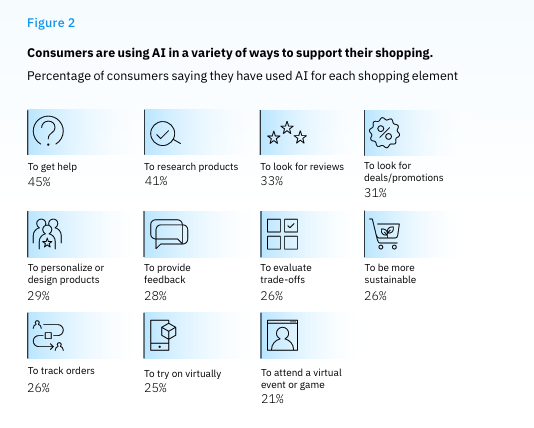
Tech vendors, consumers and retailers are aligned on the idea that AI will drive buying journeys and experiences. According to IBM's Institute for Business Value in collaboration with the National Retail Federation (NRF), 72% of surveyed customers still shop in stores and 45% turn to AI for help.
Meanwhile, there's a renewed focus on frontline workers from the likes of Workday and UKG.
Here's a look at the news to know.
Agentic AI
Microsoft outlined its Copilot Checkout, which is designed to convert conversations into sales, and Brand Agents, which provide guidance to shoppers on a retailer's site.
The Microsoft effort is aimed at a shopping use case where a consumer is looking to compare products, make decisions and purchase within one window. Google, Microsoft, OpenAI and a bevy of others including Shopify and Paypal are looking to do something similar.
Ultimately, retailers will be embedded into the primary chat interfaces. At NRF, commerce players such as Etsy were supporting multiple efforts.
Microsoft's Brand Agents are designed to bring an in-store experience from an associate into a chat interface at this point. Brand Agents offer guidance but can also upsell and cross-sell. Brand Agents are built within Microsoft Clarity, which is an analytics tool to help merchants understand shopper behavior.
Accenture said it invested in Profitmind, which offers an agentic AI platform to help retailers automate decisions for pricing, inventory and platform. The two companies also inked a strategic pact.
Profitmind uses a network of AI agents to surface recommendations for pricing, inventory and promotions.
Manhattan Associates rolled out updates to its Manhattan Active Omni platform including three new AI agents. The agents include:
- Store Associate Agent.
- Contact Center Agent.
- OMS Configuration Agent.
Manhattan also rolled out its Manhattan Active Point of Sale, which features a display where customers can view their carts in real time, enter loyalty information and get receipts.
Blue Yonder outlined updated AI agents for merchandise and assortment planning, allocation and replenishment and inventory operations.
More retail:
- Lowe's eyes AI agents as home improvement companion for customers
- Warby Parker's third act revolves around AI
- Costco approaching AI in ‘very Costco way’
- Walmart’s fiscal 2026 bets: Supply chain optimization, AI, automation
- Target gets new CEO, continuity in tech, AI strategy
- How Wayfair's replatforming sets it up for agentic AI commerce
- Target cuts deal with OpenAI as it plans customer experience overhaul
Frontline worker experiences
Workday announced a series of hospitality and retail customer wins including Alterra Mountain Company, Brookshire Grocery, Hungry Jack, and Zaxby's. The company also said that it integrated recently acquired Paradox and made it available through Workday's platform.
Paradox focuses on frontline worker engagement and connects candidates and employers.
Workday also outlined Workday Frontline Agent, which handles shift swaps and hour limits. The Workday Frontline Agent will be available in the Spring of 2026.
UKG demonstrated its Workforce Operating Platform and features such as UKG Rapid Hire, which compresses the time to hire, Dynamic Labor Management to address staffing gaps, UKG Frontline Worker Network and UKG Wallet to pay employees on demand.
The company also said Jetro Restaurant Depot saved $2 million in sourcing and onboarding costs with UKG Rapid Hire.
Customer experience
Technically, AI shopping agents impact customer experience, but here are a few notable in-store efforts.
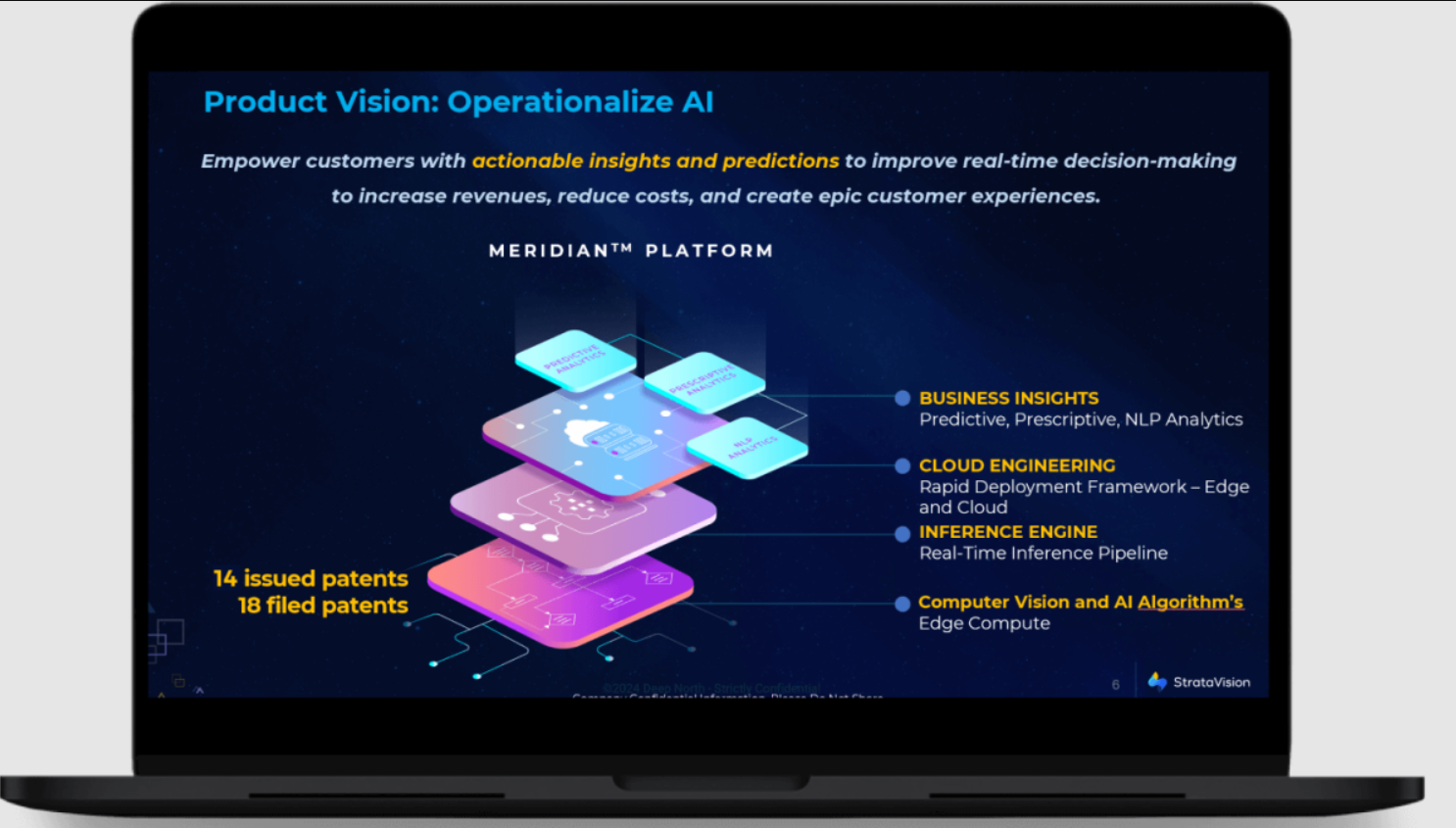
Stratavision, a computer vision company, launched its fitting room intelligence platform to help retailers optimize fitting room utilization.
The fitting room intelligence tools are tied into Consumer IQ, which analyzes customer paths and behaviors, aligns staffing to demand, increases engagement and lowers costs.
Denso is showcasing its Indoor Positioning System (IPS) to highlight how its automotive grade micro location technology can be used in retailing. Denso's IPS system is integrated with EPAM software to highlight retail media activations and personalized interactions and wayfinding.
Larry Dignan is Editor in Chief of Constellation Insights at Constellation Research, where he leads editorial coverage focused on enterprise technology, digital transformation, and emerging trends shaping the future of business. He oversees research-driven news, analysis, interviews, and event coverage designed to help technology buyers and vendors navigate complex markets with clarity and context. ...
Read morePublished
Author
