


Personal AI assistants to proliferate and so will the governance headaches
Meta started the personal AI agent parade with Muse, but others are queuing up quickly. Are you ready for bring your own AI agent to work, agentic experiences and more AI governance issues?
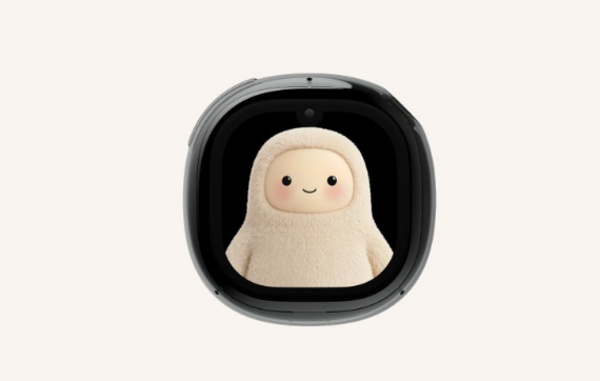
This week, Meta fleshed out its Muse personal agent strategy and announced plans to put your potential helper in smart glasses, a little pod-like device and your smartphone. The idea is that Muse can answer emails, shop for you and schedule appointment. All you have to do is grant Muse access to your apps and life.
Microsoft launched its Copilot super app that has been on deck for a bit. The new Copilot app brings together Chat and Cowork and access to Office. Autopilot is a proactive personal agent. Now this Microsoft effort is decidedly enterprise for now and Microsoft even included FinOps for AI to manage the spend. But don't be surprised if some consumer-ish version of Copilot aims to do the personal assistant jig like Muse.
Google's Gemini and OpenAI's ChatGPT already rhyme with what Meta's Muse does, but you can expect some personal AI agent mojo (or at least marketing) to land soon.
The proliferation of work and personal agents only points to collisions ahead. Work and home don't fit into neat little buckets. Personal AI agents are going to blur those lines even more. Enterprises are going to have to navigate personal AI agents and even embrace them to some extent.
At Constellation Research's AI Forum in New York, there was an informal CxO poll about Muse. A handful downloaded Muse. And only one person actually trusted Meta enough to hook up apps and let it try shopping or completing a task. Most CxOs see security and governance headaches ahead.
Here are a few things to expect as personal AI assistants proliferate.
Experiences will have to change. Constellation Research's Liz Miller led a discussion with Ashish Chawla, Head of CX and Transformation at Firstsource, and Spandan Mahapatra, Head of AI and Services Transformation Tata Consultancy Services, about agentic experiences and customer journeys.
The takeaway is that customer experience is splitting into human and agent swim lanes. They'll coexist and ultimately move the internet to an intent economy from one that revolves around attention. Miller noted that retailers and consumer goods companies will now have to manage personal AI agents.
Your API bills may spike. Muse was released and people signed up quickly and took it for a spin. As the personal AI agents ramp, consumers will get used to simply telling AI to do something. "Muse spread like wildfire and it's talking to all of these systems. Watch everyone's AWS and Google Cloud bills skyrocket as their API costs crank up," said David Giambruno, Managing Partner at Ancilla.
Governance will be an issue. The lines between personal and work are already blurry and plenty of employees drop enterprise data into LLMs for personal use. Personal agents are likely to be blocked from accessing enterprise applications, but there's always a work around. The personal agent headaches are just beginning.
More from AI Forum:
- Agentic AI deployments: What you should, and shouldn't do
- Genpact's AI chief Vijayasankar: Don't forget process, talent debt in AI projects
- Veltris CEO Chandrana on vertical AI, industrial AI use cases
Larry Dignan is Editor in Chief of Constellation Insights at Constellation Research, where he leads editorial coverage focused on enterprise technology, digital transformation, and emerging trends shaping the future of business. He oversees research-driven news, analysis, interviews, and event coverage designed to help technology buyers and vendors navigate complex markets with clarity and context. ...
Read morePublished
Author
