


Comcast, Classiq, AMD outline quantum computing network resiliency use case
Quantum computing software company Classiq, Comcast and AMD announced a trial that leverages quantum algorithms to improve network routing and resilience.
The parties published a research paper on the algorithm. For Classiq, the Comcast and AMD trial highlighted how its quantum computing abstraction layer can prepare enterprises for quantum advances.
In the paper, Comcast and Classiq researchers said they addressed Layer 3 routing optimization issues with a quantum approximate optimization algorithm (QADA) executed on both a quantum simulator and quantum hardware.
Elad Nafshi, Chief Network Officer, Comcast Connectivity and Platforms, said the goal of the project was to understand how quantum computing could tackle network challenges. The results “have shown that quantum computing for network optimization isn’t theoretical.”
The Comcast, Classiq and AMD collaboration landed as Classiq rolled out its milestone Classiq 1.0 release.
Classiq's quantum computing engineering and development platform includes hardware aware execution across simulators and QPUs, debugging transparency, support for generative quantum function and correct-by-construction enforcement.
Classiq last year raised $110 million in funding.
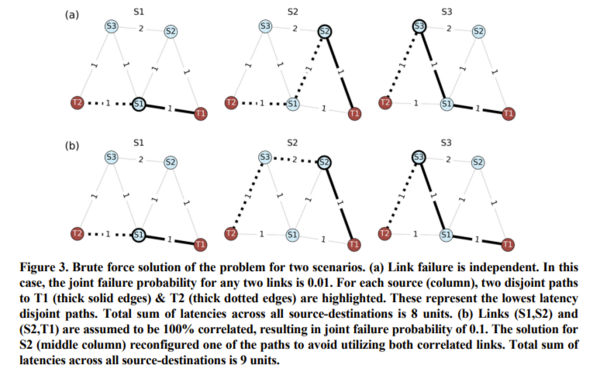
The joint trial with Classiq, Comcast and AMD focused on network design and identifying independent backup paths for network sites during maintenance and change management. The idea of the challenge was to reroute network traffic seamlessly if one site is down and the second backup fails.
Quantum computing was used to identify unique backup paths that are resilient and provide low latency. Finding these paths becomes more difficult as network scales.
The project
The project applied quantum computing techniques along with HPC to test quantum algorithms and their ability to identify unique backup paths. AMD announced a partnership with IBM on hybrid GPU and quantum computing systems.
Dr. Erik Garcell, Director of Quantum Solutions US at Classiq, said the company did an onboarding session with Comcast's team, which has also focused on AI use cases. These in-person sessions rhyme with forward deployed engineering motions.
"We went over a bunch of use cases. They know the computation and they're the experts at their problems and the algorithms they're dealing with," said Garcell. "We look at the first few projects that would have the highest value. The goal is to know the problems and then move over to a quantum computer eventually."
Like many quantum use cases, the algorithms and use cases are simulated using GPUs. When the quantum hardware is ready, enterprises will be ready to move over to quantum systems. Most roadmaps from quantum computing vendors have 2029 as the year when systems will be developed enough for production use cases. For now, algorithms are being created so they’ll be ready to run as soon as the systems are available.
Comcast's initial use case for quantum computing revolved around resiliency mapping. Garcell said quantum computing can help optimize existing infrastructure and more importantly build resiliency in networks as the cable is being put into the ground. "You want to make sure there's minimal interruption. So, you want to make sure there's multiple paths to get there," he said.
The problem was mapped out and ran on an IonQ system, said Garcell, who noted that Comcast could use any quantum system via Classiq's compiler. Garcell said that typically use cases are run on a simulator, and then real hardware. Because the quantum computers today haven't scaled qubits yet, companies are using hybrid high performance computing approaches to prepare for the future. In this case, AMD's GPUs were used.
"We're making sure that they have the code to actually deploy when the quantum system is available," said Garcell.
Also see:
Larry Dignan is Editor in Chief of Constellation Insights at Constellation Research, where he leads editorial coverage focused on enterprise technology, digital transformation, and emerging trends shaping the future of business. He oversees research-driven news, analysis, interviews, and event coverage designed to help technology buyers and vendors navigate complex markets with clarity and context. ...
Read morePublished
Author
