


CEOs take control of AI projects: What could go wrong?
CEOs are now driving AI strategy at enterprises and half of them think their jobs are on the line if they don't get it right.
That rather stressful reality comes from a Boston Consulting Group survey on enterprise AI plans.
- 72% of CEIS say they are the main decision-makers on AI.
- Half of CEOs think their job depends on getting AI right94% will continue to invest in AI even if it doesn't deliver returns.
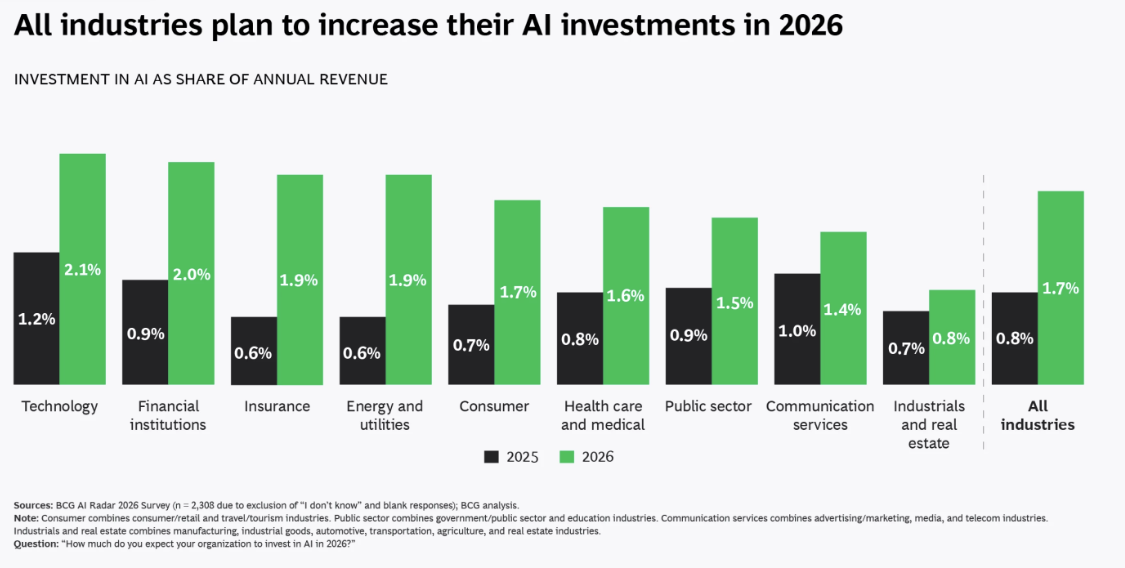
- And 90% of CEOs think AI agents could produce measurable returns in 2026.
- Leaders confidence in AI is higher in India and Greater China than in the West.
BCG said in a report:
"About 90% of CEOs believe that by 2028, AI will redefine what success looks like within their industry. Companies will move beyond simply deploying AI in everyday tasks to reshaping critical workflows and, for many, inventing entirely new business models."
Constellation Research analyst Esteban Kolsky noted in his latest boardroom missive that AI success has become an initiative that has moved up the C-suite. He said:
"AI is a transformation initiative for the enterprise for the next 20 years and is itself being transformed from the basic “GenAI using public models” pilots to a more complete organizational redesign strategy. This transformation will take more than a decade to materialize, with quantifiable steps along the way. Its contextual significance is represented in the boundaries and connections boards and executives must place on AI starting now: It is about the outcomes, it is about
leveraging the private platform infrastructure IT is building, and it is about optimizing (and redesigning) the processes that are used to run the business via a control plane."
What could go wrong with CEOs making the AI calls? A few ideas:
- First, CEOs in this BCG report look a bit overconfident. CEOs have stronger conviction on AI than their technology executives.
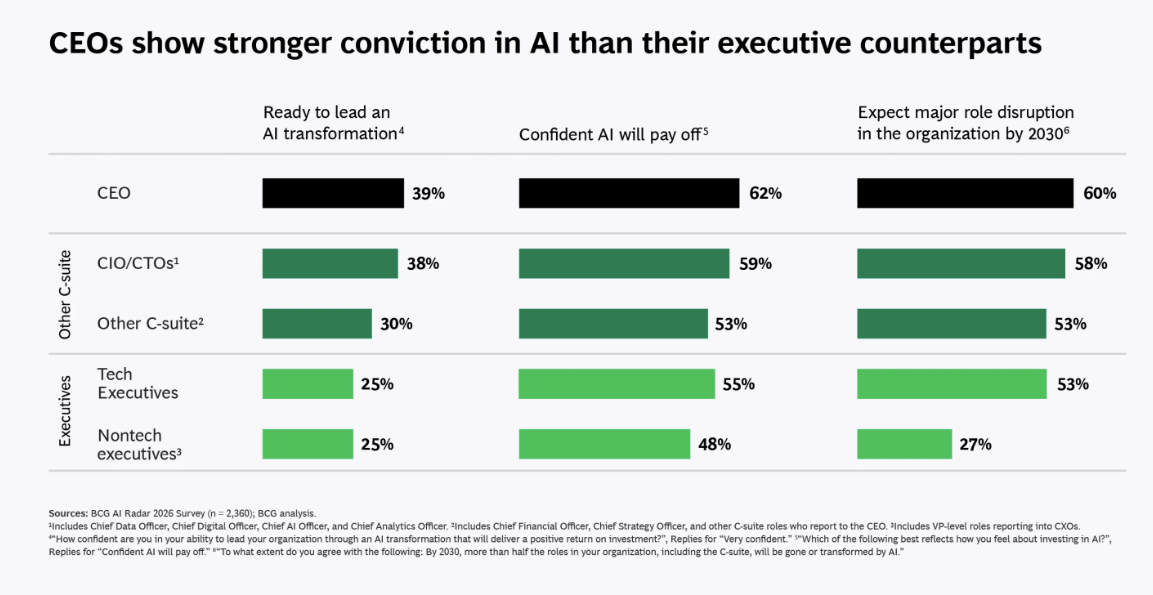
- Technology executives that raise concerns may be benched by CEOs and lead to vulnerabilities.
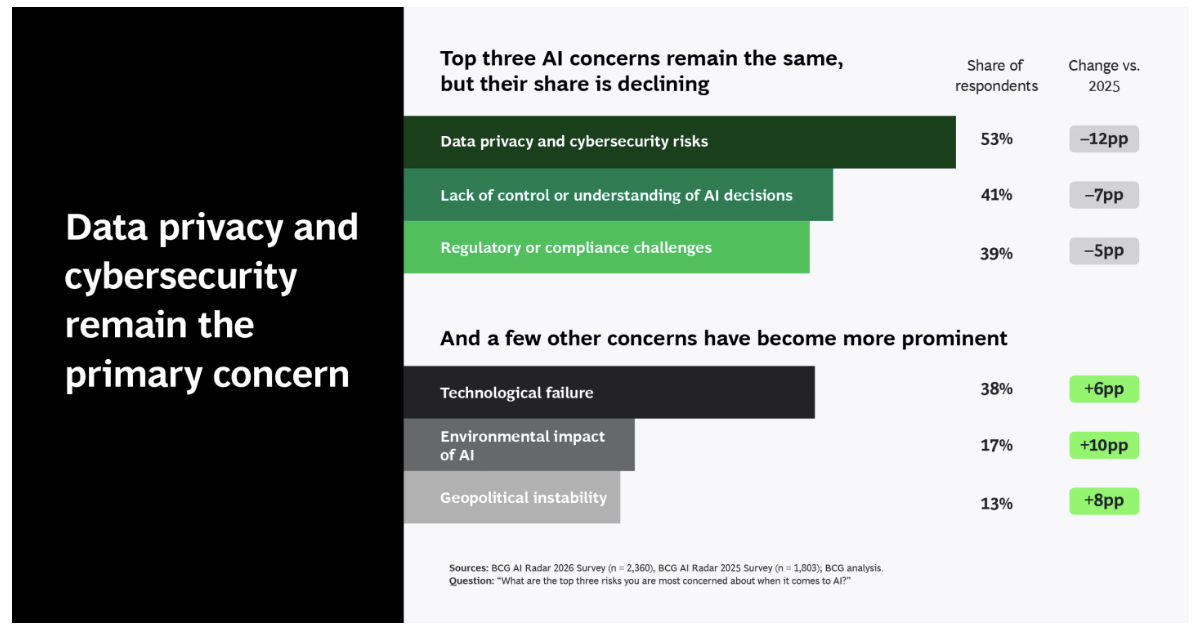
- Agentic AI is still immature and requires technology expertise and architecture to work well.
- CEOs may be driven by short-term results and forget to play the long game.
Larry Dignan is Editor in Chief of Constellation Insights at Constellation Research, where he leads editorial coverage focused on enterprise technology, digital transformation, and emerging trends shaping the future of business. He oversees research-driven news, analysis, interviews, and event coverage designed to help technology buyers and vendors navigate complex markets with clarity and context. ...
Read morePublished
Author
