


Microsoft launches Project Solara: Are we ready for intelligent digital badges?
Microsoft launched Project Solara, an effort to create AI agent-first devices that are purpose built. For the enterprise, these concept devices could be handy. Are we ready for intelligent badges?
At Microsoft Build 2026, Steven Bathiche, CVP of Windows devices, said the next computer is not one device. Agentic AI will mean that devices will come in multiple form factors and work as one system.
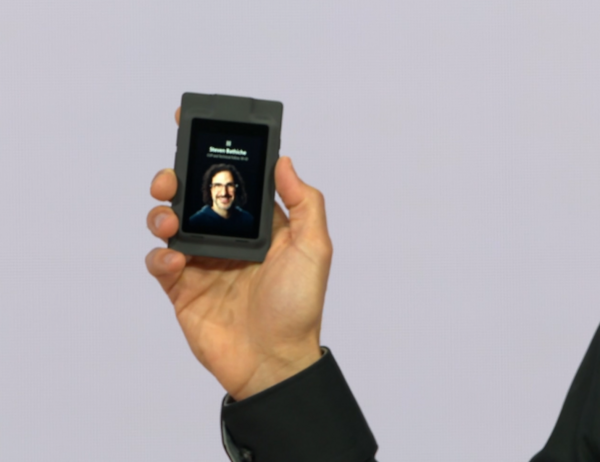
Project Solara is focused on chips around agent-first devices. A promo video shows people using a smart speaker with a screen, mobile devices, and intelligent ID cards. Yes, there were glasses too.
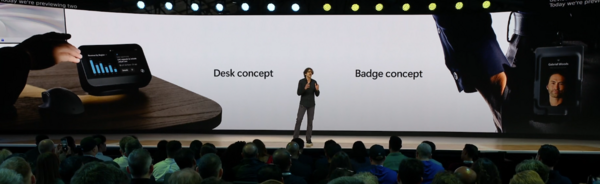
Microsoft is working with Qualcomm to develop the hardware.
Bathiche said:
"Many specialized form factors already exist, but often rely on custom one-off apps and fragmented stacks that are difficult and expensive to build, deploy, and maintain and second across every industry. People and organizations already building their own agents deeply specialized and instrumented for their work, but the impact of those agents is constrained by how and where they can exist. Project Solara addresses both by giving organizations a way to extend their agents onto new, purpose-built, easy to manage form factors designed to reach the nooks and crannies where conventional computers either do not exist or are not optimal."
Key items in this effort include:
- The UI is just in time, created on the fly and agent driven.
- Azure is the unifying system across cloud and device.
- The intelligent badge is a demo designed to highlight use cases.
- Enterprises are the primary audience.
Bathiche said:
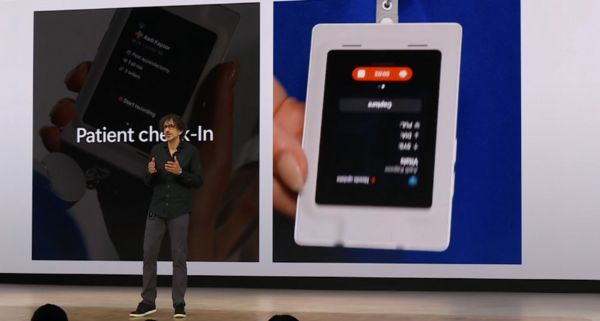
"There are so many verticals, so many opportunities. Imagine in healthcare, from the moment you pick up the device, the right agent shapes the experience around the role and the workflow, helping with check-ins, patient records, and critical insights all through enterprise grade access. With the built-in microphones, the nurse can start a hands-free voice-based documentation, including dictation and annotation, and the side-facing camera can be used to verify and document patient vitals, or even scan in medications and help verify workflows."
He noted that the healthcare example is just one use case, but the core hardware and software reference designs are meant to be flexible. The main point is to get out of thinking of AI in terms of the form factor.

AccuWeather, Best Buy, CVS Health, Levi's and Target are some of the enterprises exploring specialized agents and devices focused on workflows.
Larry Dignan is Editor in Chief of Constellation Insights at Constellation Research, where he leads editorial coverage focused on enterprise technology, digital transformation, and emerging trends shaping the future of business. He oversees research-driven news, analysis, interviews, and event coverage designed to help technology buyers and vendors navigate complex markets with clarity and context. ...
Read morePublished
Author
