


Intel to make GPUs; CEO Tan riffs on AI adoption
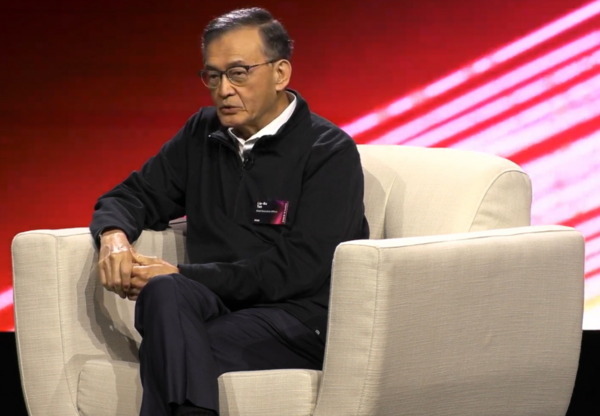
Intel CEO Lip-Bu Tan said the chipmaker will make GPUs as well as CPUs and is striving to run two interdependent businesses with its foundry and product units.
Tan said the strategy for Intel is to partner and compete with GPU vendors and focus on advanced packaging.
- Intel Q1 outlook weak, supply constraints abound
- Nvidia invests $5 billion in Intel, aims to codevelop for data centers, PCs
Speaking at Cisco AI Summit, Tan laid out the following takeaways.
Intel Foundry
- Intel Foundry is driving 7% to 8% yield improvement per month on critical process nodes.
- External customers are "knocking on the door" for Intel's 18A process.
-
Tan said the strategy is to land big customers by telling them: "Give me 5–10–20–50% of your most important product and let me earn your trust."
AI Infrastructure
- Tan said memory is the biggest bottleneck for AI infrastructure and there's no real relief until 2028.
- GPUs are sucking up too much memory.
- CPUs are in demand and CEOs are asking for more supply. Tan emphasized that CPUs still matter in AI infrastructure.
- Interconnect and cooling are big issues. Air cooling is out and liquid cooling is in.
- The software stack and cluster management is a big issue for scaling AI infrastructure. Cluster orchestration, debugging and observability are big themes.
- The US is behind on AI open source.
Advice for CIOs
- Tan said CIOs can't simply bolt AI onto legacy IT. He noted that Intel hired a new CIO to rethink the company's foundational IT. "There's a lot of pressure to adopt AI and then to the enterprise. I think it's very important to think about, what is the problem you try to solve, what is the outcome you want to look for," said Tan.
- Emphasize process and measurement for AI projects. AI hasn't delivered productivity gains at scale largely due to process.
- CIOs need to plan around memory since it's going to be a choke point. Favor architectures and models that reduce the memory footprint and your costs per token.
- Modernize legacy IT before scaling AI pilots.
Larry Dignan is Editor in Chief of Constellation Insights at Constellation Research, where he leads editorial coverage focused on enterprise technology, digital transformation, and emerging trends shaping the future of business. He oversees research-driven news, analysis, interviews, and event coverage designed to help technology buyers and vendors navigate complex markets with clarity and context. ...
Read morePublished
Author
